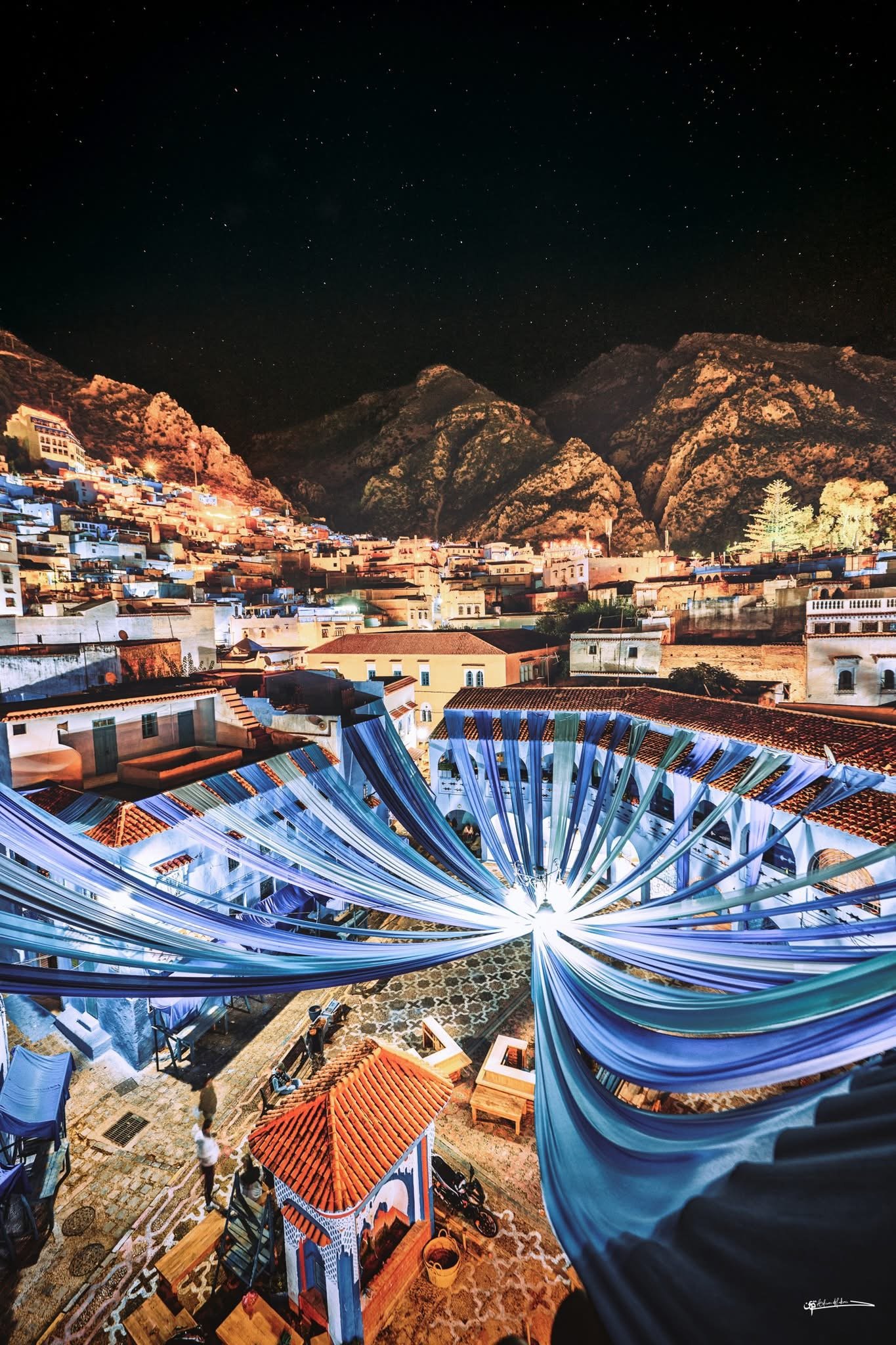
It is the question every traveler asks the moment they step foot into the labyrinth of cobalt, azure, and lapis lazuli alleyways: Why is Chefchaouen blue? As Morocco’s most visually striking destination, the “Blue City of Morocco” draws thousands of visitors, yet the origins of its famous paint job are heavily debated even among locals.
The Top 3 Historical Theories
There is no universally accepted historical documentation proving exactly when or why the city was first painted blue, leading to a fascinating mix of folklore and practicality.
Theory 1: The Jewish Exiles (The Spiritual Connection)
This is the most widely shared and spiritually significant theory. During the 15th century, the Spanish Inquisition forced thousands of Jews to flee Spain, with many seeking refuge in Chefchaouen. In the 1930s, a second wave of Jewish refugees arrived to escape the rising tide of Hitler in Europe.
It is believed that these Jewish refugees began painting their homes blue. In Judaism, the color blue represents the sky and the heavens, serving as a constant reminder of God’s presence. As the Jewish population grew, the blue paint expanded, eventually covering the entire medina.
Theory 2: The Mosquito Depellent
Many practical locals swear by this pragmatic explanation. Because the town is built near the Ras el Maa water source, historically, mosquitoes were a nuisance. It is theorized that mosquitoes dislike clear, flowing water, and painting the walls in bright shades of blue allegedly tricks the insects into thinking the walls are actually bodies of water, keeping them away.
Theory 3: Keeping the City Cool
Summers in Morocco are notoriously hot. Like the white-washed buildings of Greece or Andalusia, painting a town in light, reflective colors helps deflect the harsh African sun. Some historians argue the blue wash was simply a cheap, effective way to regulate the internal temperatures of the mud-brick homes before electricity and air conditioning existed.
The Reality Today: Tourism & Tradition
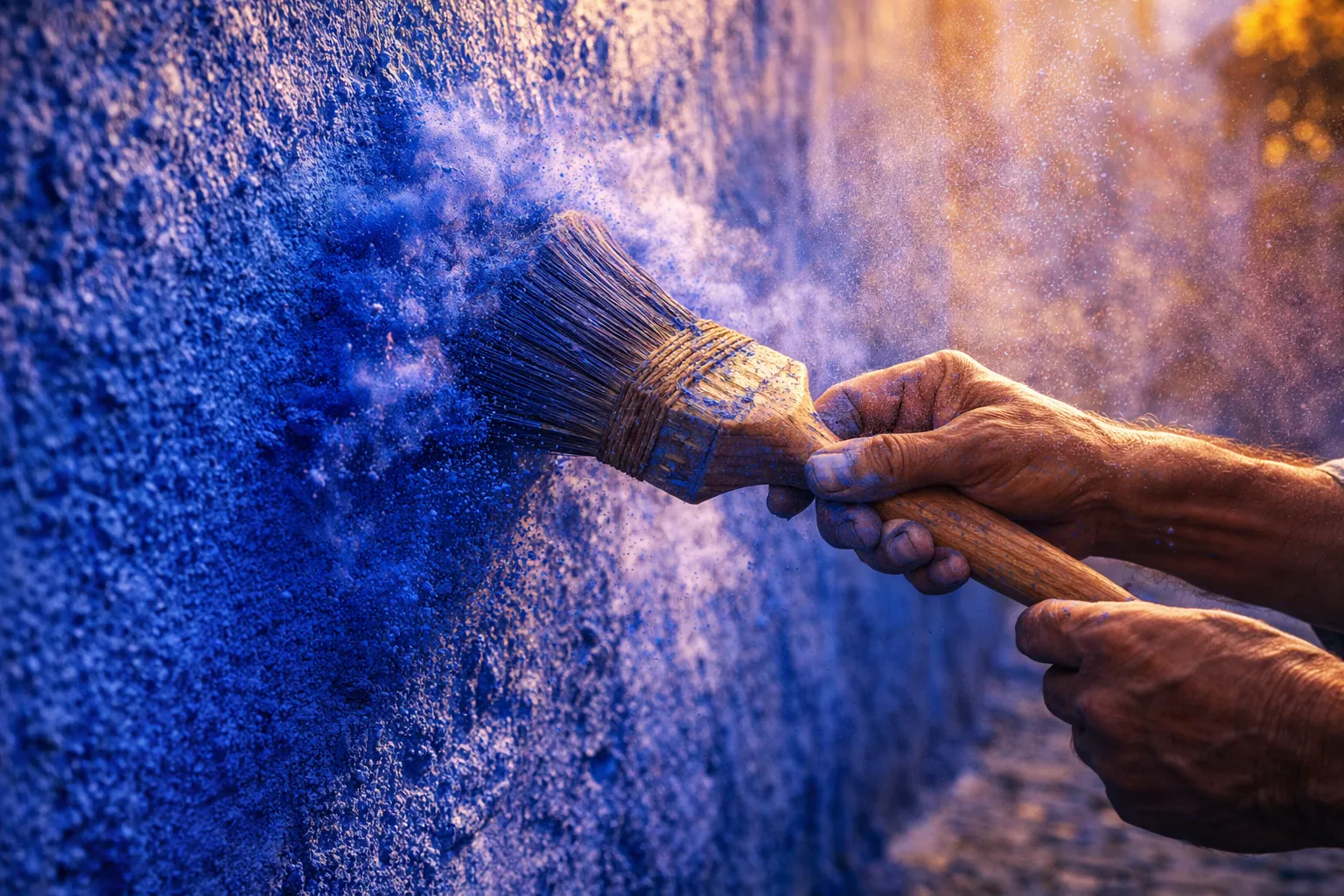
Regardless of how the tradition started, today, the city stays blue for one undeniable reason: tourism. The locals take immense pride in their unique aesthetic. Every spring, families buy massive bags of raw blue powder pigment, mix it by hand, and repaint the lower halves of their homes to keep the colors vibrant for the upcoming tourist season.
To experience the magic of the Blue City while enjoying modern comforts, book your stay at the highly rated Casa Olea Vista, providing you with a private retreat gazing directly out onto the blue-washed mountainside.