Exploring Talassemtane National Park
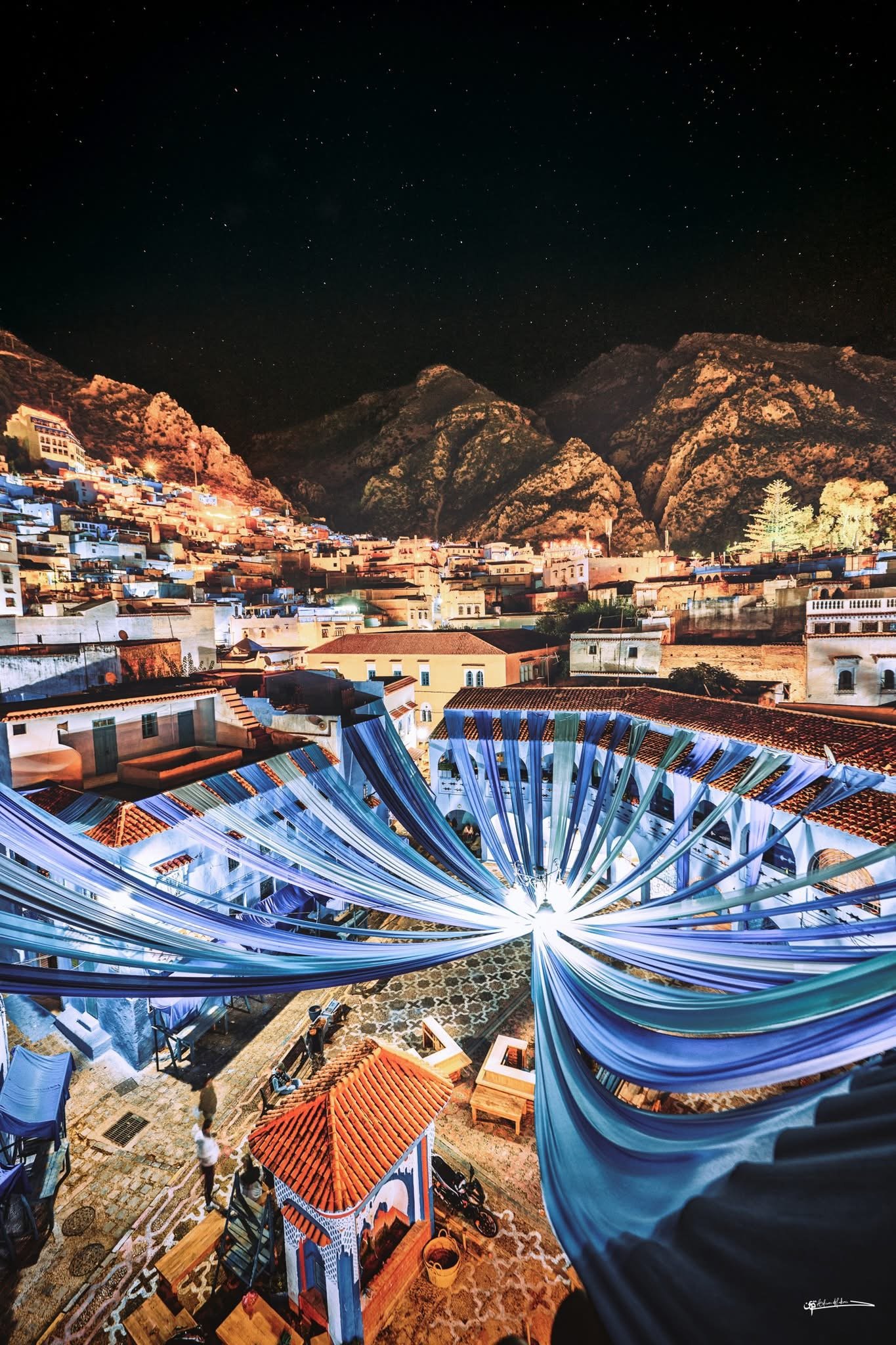
Located just outside the blue walls of Chefchaouen lies one of Morocco’s best-kept secrets: Talassemtane National Park. While most visitors flock to the medina for its highly photogenic blue alleyways, the surrounding Rif Mountains offer an unparalleled outdoor adventure for those willing to venture just a few kilometers east. Recognized as part of the Intercontinental Biosphere Reserve of the Mediterranean, this heavily forested, rugged terrain is the absolute perfect escape for hikers and wildlife enthusiasts.
The Geography and Flora
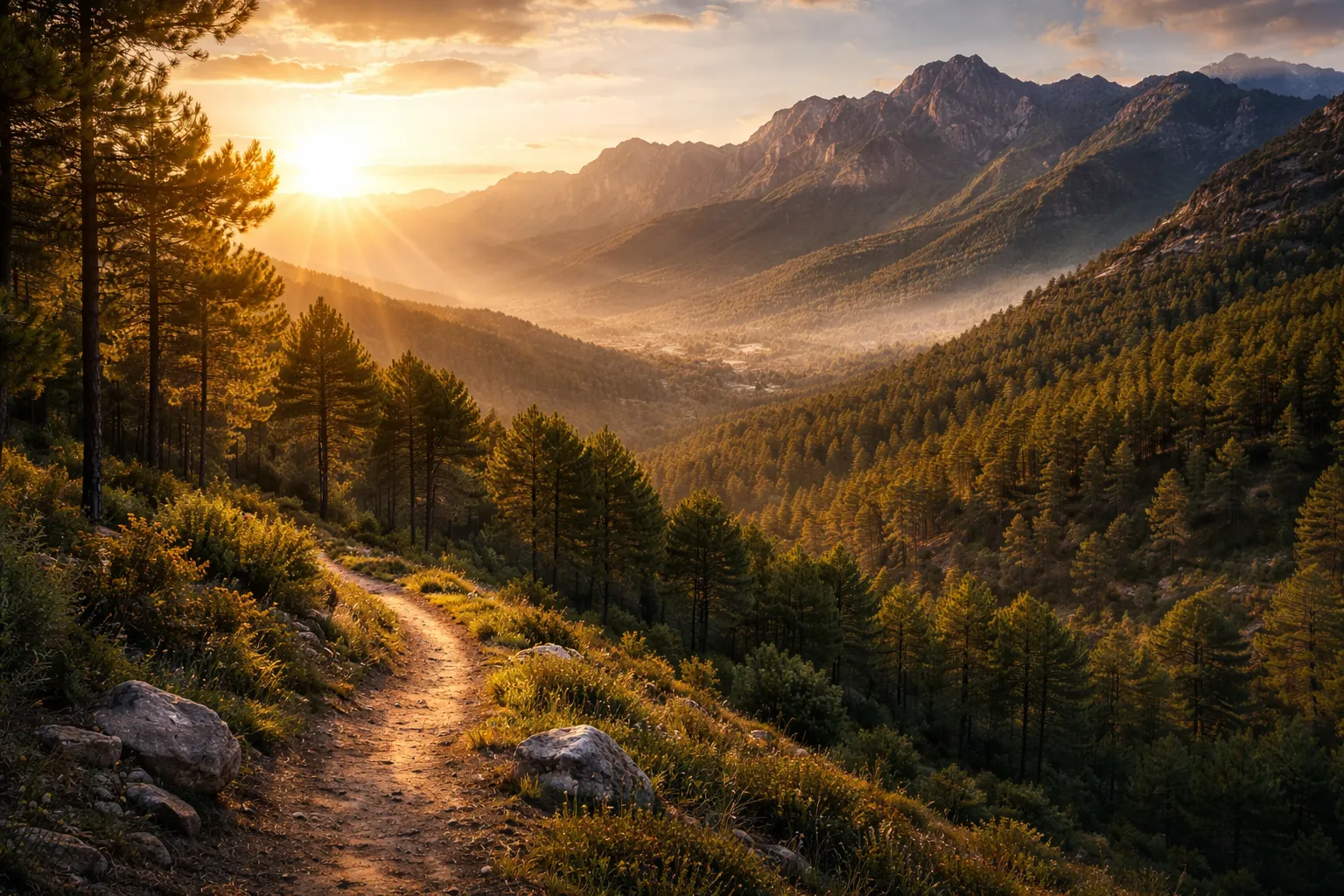
Talassemtane translates roughly to “cold spring” in the local Amazigh dialect, an apt name for a park defined by deep gorges, cascading waterfalls, and crisp, rushing mountain streams. The park protects over 580 square kilometers of unique, high-altitude ecosystems. The most significant feature of the park is its dense forests of indigenous Moroccan fir trees (Abies pinsapo maroccana), which are found practically nowhere else on Earth. As you hike deeper into the park, the scent of cedar and pine aggressively fills the cold mountain air.
Wildlife to Watch For
Because the park is relatively isolated and highly protected, it acts as a massive sanctuary for regional wildlife. While hiking, keep a sharp eye out for:
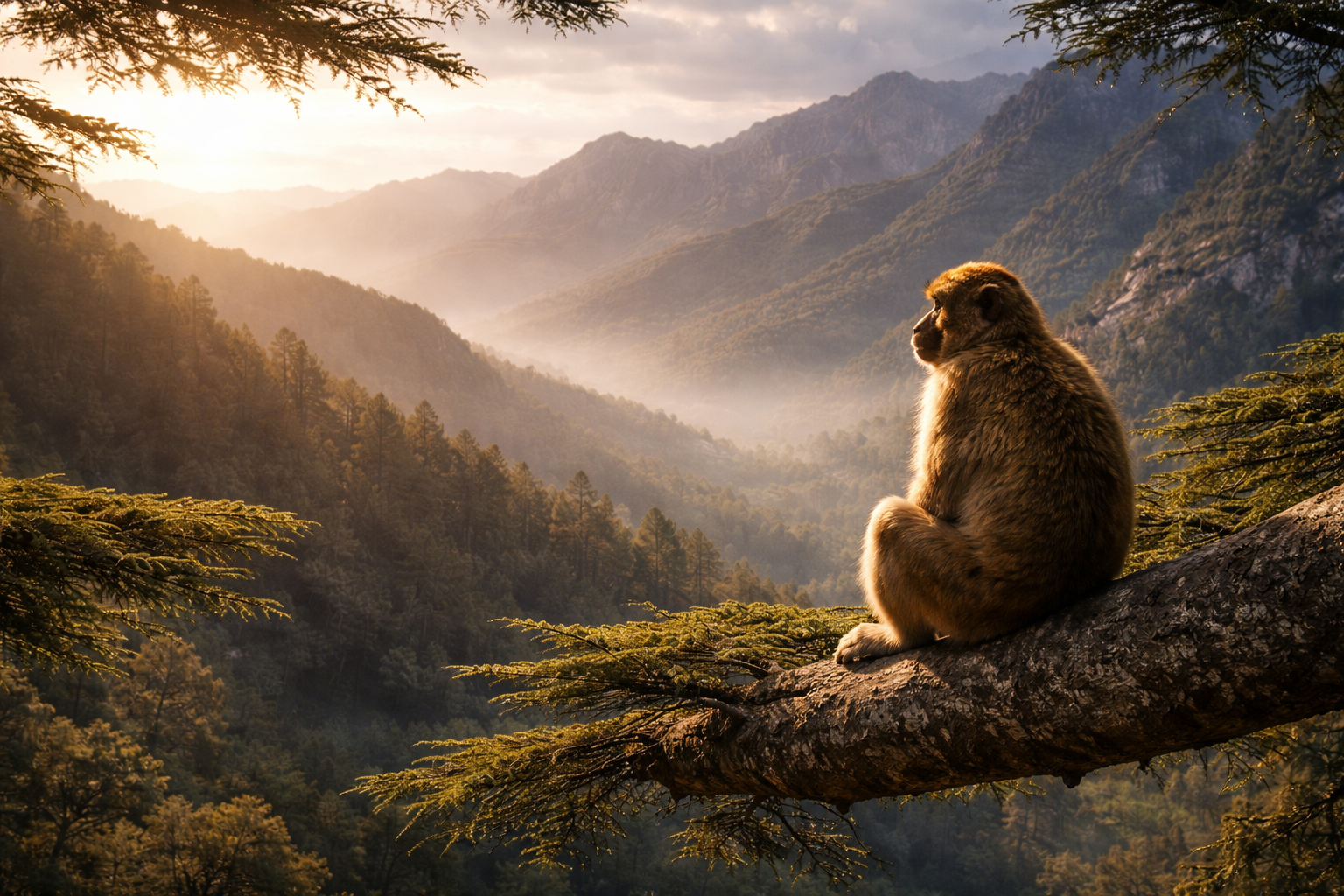
- Barbary Macaques: Unlike to the aggressive monkeys found in tourist hot spots down south, the macaques residing in the deep gorges of Talassemtane are famously shy and wild.
- Golden Eagles: Look directly up at the massive limestone cliffs to spot these apex predators violently hunting along the thermal currents.
- Wild Boar and Foxes: These are heavily present in the dense forests, though they generally avoid the main hiking trails used during daylight hours.
Essential Treks and Trails
Talassemtane caters to everyone from casual walkers to hardened mountaineers. The most popular access point is from the small village of Akchour.
1. God’s Bridge (Puente de Dios)
By far the most famous landmark inside the boundaries of Talassemtane, God’s Bridge is a massive, naturally formed rock arch towering 25 meters above the cold, crystal-clear Oued Farda river. The hike is highly accessible, stunningly beautiful, and takes roughly 45 minutes from the Akchour parking lot.
2. The Grand Cascades of Akchour
Following the opposite fork from the Akchour trailhead leads you through a heavily forested canyon directly to a towering, multi-tiered waterfall. Read our Complete Guide to Akchour to properly plan this 3-hour trek.
3. Jebel el Kelaa Summit
For serious hikers looking for a heavy physical challenge, the summit of Jebel el Kelaa towers aggressively over Chefchaouen. The trail is steep, largely unmarked, and physically demanding. However, the panoramic views of the entire Rif Mountain range and the blue city below make the exhaustion entirely worth it. It is highly recommended to hire a local guide for this specific mountain.
Practical Tips for Visiting
- When to Go: The absolute best time to hike in Talassemtane is during the Spring (April–June) when the snowmelt fuels the waterfalls and the valleys are exploding with wildflowers.
- What to Bring: The weather in the Rif Mountains changes rapidly. Layered clothing is essential. You must also bring heavily treaded shoes, as the limestone rocks near the rivers are violently slippery.
- Water: Do not drink directly from the streams. Pack a minimum of 2 liters of water per person, especially during the sweltering summer months.
Visiting Talassemtane National Park is a massive paradigm shift from the chaotic souks of Marrakech or the bustling blue alleys of Chefchaouen. If you are staying at a peaceful retreat like Casa Olea Vista, taking a day to reconnect with the wild, untamed nature of northern Morocco is an experience you simply cannot miss.