Talassemtane National Park: Wildlife & Trails
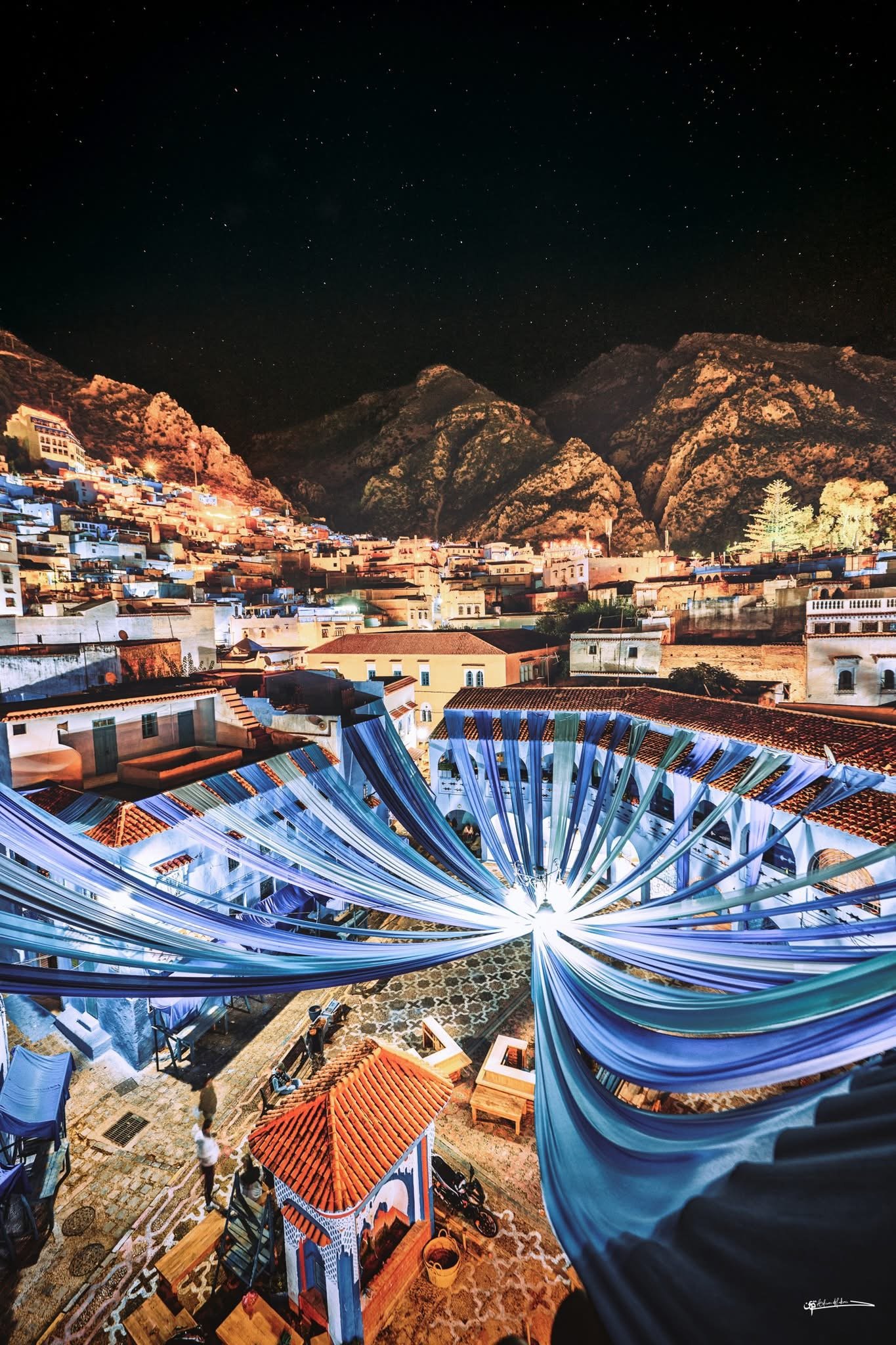
Hidden in the folds of northern Morocco’s Rif Mountains, Talassemtane National Park is one of the most biodiverse and dramatically beautiful natural reserves in the entire Mediterranean basin. Yet remarkably, it remains largely unknown to mainstream tourists who rush through Chefchaouen without realizing this wild paradise sits literally at the edge of the Blue City. If you are staying at a guest house in Chefchaouen, Talassemtane is essentially on your doorstep — and it deserves at least a full day of your itinerary.
What is Talassemtane National Park?
Established in 1989, Talassemtane National Park covers over 58,950 hectares of rugged, forested terrain straddling the eastern Rif Mountains. It is named after the Djebel Talassemtane peak, which rises to 1,941 metres above sea level and offers genuinely jaw-dropping panoramic views on clear days. The park is celebrated internationally for sheltering one of the last surviving populations of the Abies marocana — the rare Moroccan Fir, a critically endangered tree species endemic to Morocco and found almost nowhere else on Earth.
What makes the park particularly exciting for hikers and wildlife lovers is the striking contrast in its landscapes. You move swiftly from dense cedar and oak forests, into steep limestone gorges, past crystal-clear rivers, and eventually up into open, exposed alpine ridgelines — all within a single day’s trek. The park is a UNESCO Biosphere Reserve candidate and sits within a larger ecological zone considered one of the 34 global biodiversity hotspots.
Wildlife to Look For in Talassemtane
The park hosts an extraordinary array of wildlife, much of which is genuinely rare by global standards. Here is what to look out for during your visit:
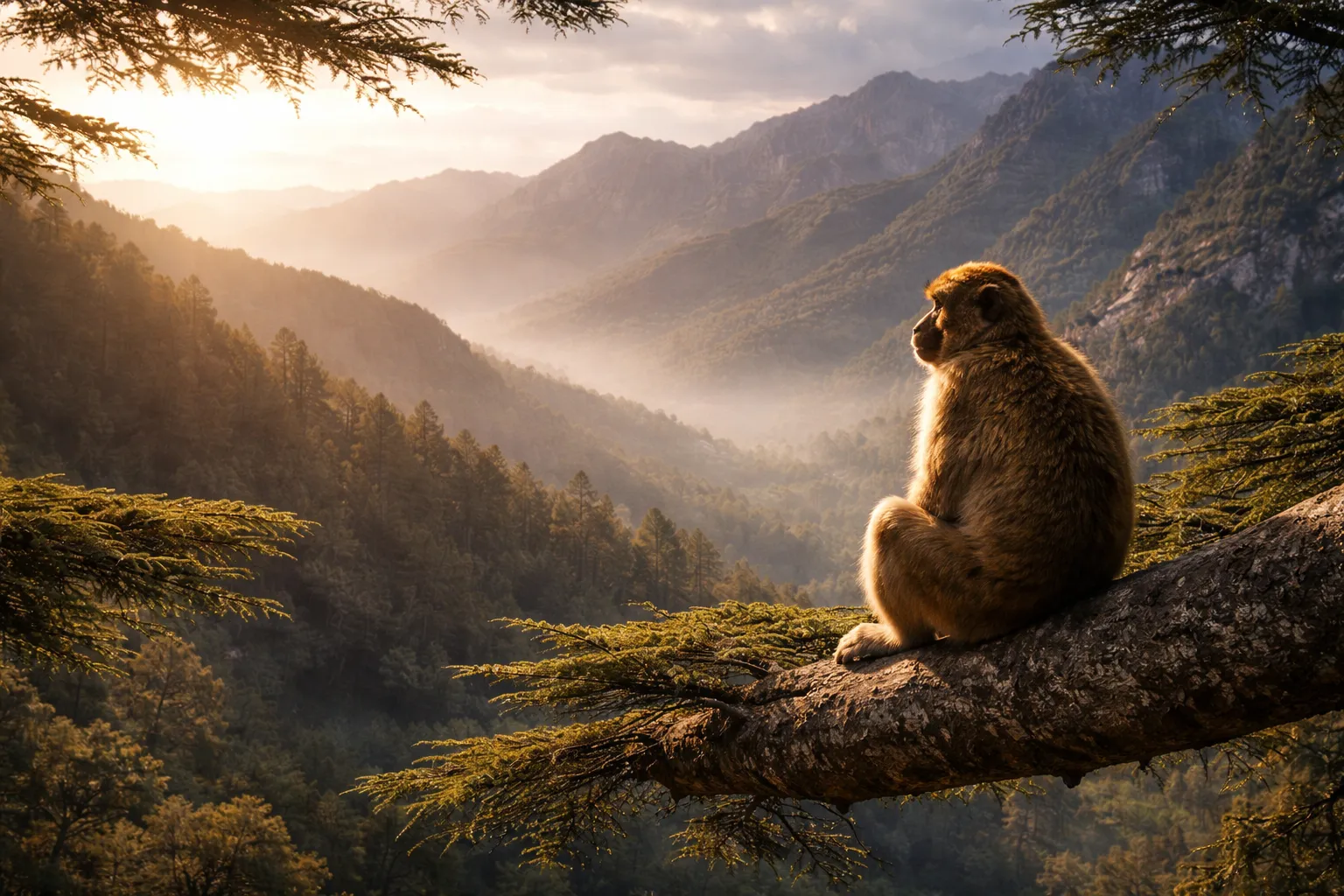
- Barbary Macaque (Macaca sylvanus): Morocco’s only wild primate, these social and expressive monkeys are frequently spotted near the forest clearings, particularly around the Ain Tissimane spring area. Do not feed them — observe quietly and enjoy.
- Moroccan Fir (Abies marocana): Talassemtane protects the largest remaining stands of this critically endangered species. Look for them on the higher, north-facing slopes above 1,500m.
- Golden Jackal: Occasionally spotted at dusk near the forest edges. Most visitors never see them, but their haunting calls echo through the valleys at night.
- Egyptian Mongoose: A surprisingly common sighting near the riverbanks and scrubland edges of the park’s lower elevations.
- Bonelli’s Eagle & Short-toed Snake Eagle: Raptors circle the thermals above the gorges regularly, particularly during the spring migration season (March–May).
- Reptiles: The park hosts several endemic lizard and snake species. The Lataste’s Viper is present — stick to marked trails and watch where you step.
Birdwatchers should bring binoculars. The park records over 160 species including the elusive Levaillant’s Woodpecker, the Moussier’s Redstart, and the Barbary Partridge. Spring (March to May) is the absolute peak season for birding activity.
Best Trails in Talassemtane National Park
The park has several marked trails ranging from easy family walks to strenuous full-day mountain ascents. Here are the most popular and rewarding routes:
1. The Akchour Waterfalls Trail (Easy–Moderate | 4–6 hrs round trip)
The most accessible entry point into the national park ecosystem, the Akchour Waterfalls trail begins at the village of Ain Tissimane, roughly 25 km from Chefchaouen along the R412 road. The trail follows the Oued Farda river through a stunning turquoise gorge of layered limestone. Two waterfalls reward hikers: the Petite Cascade (around 1 hour in) and the much more dramatic Grande Cascade (2.5–3 hours in, 100m high). Swimming is popular in the natural pools below both falls during summer. The round-trip distance is approximately 14 km with moderate elevation gain.
This is the single best day trip from Chefchaouen for first-time visitors to the park. Our guide to day trips from the Rif Mountains has full logistics on how to get there independently.
2. Djebel Talassemtane Summit Trail (Strenuous | 6–8 hrs)
For experienced hikers seeking a genuine mountain challenge, the ascent of Djebel Talassemtane (1,941m) offers one of the most rewarding views in all of northern Morocco. On clear days, you can see the Strait of Gibraltar across to the mountains of southern Spain. The trail starts from the Bou Hachem forest area and requires a guide — the upper paths are not always clearly marked. Budget a full day and bring adequate water, layers, and solid trail footwear.
3. The God’s Bridge (Pont de Dieu) (Moderate | 3–4 hrs)
One of the park’s most visually arresting geological wonders, the God’s Bridge is a natural limestone arch spanning the Oued Kelaa river gorge near Ain Tissimane. The hike to reach it passes through dense mixed forest and a narrow, dramatic gorge section where the river carved its own corridor through solid rock. This trail is often combined with the Akchour waterfall route into a single demanding full-day loop.
How to Get to Talassemtane National Park from Chefchaouen
Getting into the park is logistically straightforward if you are staying at a private guest house in Chefchaouen with free parking, as you can drive directly. The main access routes are:
- By Car (Recommended): From Chefchaouen’s medina, take the R412 road northward toward Ain Tissimane village. The Akchour trailhead is approximately 25 km and takes around 35 minutes by car. Having your own car is a massive advantage — it allows you to start early, go at your own pace, and avoid overloaded shared taxis.
- By Grand Taxi: Grand taxis (shared collective taxis) run from Chefchaouen’s main taxi rank on Avenue Hassan II to Ain Tissimane. Negotiate the price beforehand; expect to pay 15–20 MAD per person in a shared taxi, or around 100–120 MAD for a private charter one-way.
- By Organized Tour: Several local operators in Chefchaouen medina offer guided half-day and full-day Akchour tours. Useful if you prefer local expertise, but you sacrifice flexibility.
One of the genuinely rare advantages of staying at a rural guest house in Chefchaouen like Casa Olea Vista is having secure, free parking on site. This means you can load up your hiking gear, drive out to Talassemtane at sunrise, and be back at your private terrace for sundowners — no taxi schedules, no medina traffic, no logistical stress.
Best Time to Visit Talassemtane National Park
The park is accessible year-round but each season offers a radically different experience:
- Spring (March–May): Peak season. The forests are intensely green, wildflowers blanket the lower meadows, rivers run strong and clear, and birds are in full song. Waterfalls are at their most powerful. Highly recommended.
- Summer (June–August): The waterfalls remain beautiful though lower in volume. Swimming in the natural pools is excellent. Mid-summer can be warm at lower elevations. Book accommodation early as this is the busiest period in Chefchaouen.
- Autumn (September–November): Excellent hiking conditions. Cooler temperatures, the forests shift color dramatically, and the crowds thin out significantly after September. Arguably the best time for serious hikers.
- Winter (December–February): The Djebel Talassemtane summit and higher trails can receive significant snowfall making them impassable without specialist gear. However, the Akchour gorge trail stays open and looks hauntingly beautiful in winter light. Prepare for cold temperatures.
What to Bring on Your Talassemtane Hike
Morocco’s mountain trails can be deceptively demanding. Prepare properly to enjoy your visit safely:
- Sturdy trail shoes or lightweight hiking boots (the gorge paths are wet and slippery)
- Minimum 2 litres of water per person (there are no reliable resupply points on trail)
- Sun protection — SPF 50, hat, and sunglasses (the gorge offers little shade at midday)
- A lightweight windproof layer for the upper elevations, even in summer
- Snacks or a packed lunch — the small café at Ain Tissimane has limited options
- Camera or phone with offline maps downloaded (signal is unreliable in the gorge)
- Cash in Moroccan Dirhams for the grand taxi, guide fees, and the Ain Tissimane café
If you need advice on packing correctly for Morocco’s varied terrain and temperatures, read our dedicated Morocco packing and dress code guide before your trip.
Hiring a Local Guide
For the Akchour waterfall and God’s Bridge trails, independent navigation is feasible for confident hikers with downloaded offline maps. However, for the Djebel Talassemtane summit attempt or any multi-day off-trail exploration, hiring a certified local guide is strongly recommended and in some zones officially required. Guides can be arranged through the Chefchaouen tourist office on Place Mohammed V, or through your guesthouse host directly — ask for recommendations from people who actually know the park, not the generic medina tour sellers.
Combining Talassemtane with a Wider Chefchaouen Itinerary
Talassemtane works beautifully as one anchor of a multi-day Chefchaouen stay. A well-balanced itinerary might look like:
- Day 1: Arrive, settle into your guest house, explore the Chefchaouen medina at your own pace in the late afternoon when light hits the blue walls perfectly.
- Day 2: Full Akchour Waterfalls and God’s Bridge day hike. Return for a sunset dinner at a medina rooftop restaurant.
- Day 3: Explore the medina’s best local restaurants, the Kasbah Museum, and the Spanish Mosque viewpoint hike.
- Day 4: If time allows, attempt the Djebel Talassemtane summit with an early start. Or use the day for a longer Rif Mountains day trip.
For a complete overview of everything to do and see while in northern Morocco, read our comprehensive Ultimate Chefchaouen Travel Guide written from a local’s perspective.
Park Entry and Conservation
At the time of writing, entry to Talassemtane National Park itself is free. However, there is a small fee (typically 10–20 MAD) collected by local volunteers at the Ain Tissimane checkpoint to help maintain the site. Pay it cheerfully — it goes directly to footpath maintenance and litter collection. Leave no trace: pack out all your rubbish, stay on marked trails, and do not disturb wildlife. The Moroccan Fir forests and the Barbary Macaque populations are genuinely fragile and rely on responsible visitors.
For more practical preparation before your trip to Morocco, including advice on handling money and data connectivity in the Rif region, see our guides on handling currency and ATMs in Morocco and getting a local SIM card in Morocco.
Planning your visit to Talassemtane National Park? Casa Olea Vista is ideally positioned just minutes from the Chefchaouen medina, with free secure parking, mountain views, and authentic Moroccan hospitality. Contact us directly for the best guaranteed rate and local hiking recommendations.