
The Ultimate Chefchaouen Travel Guide: A Local’s Perspective
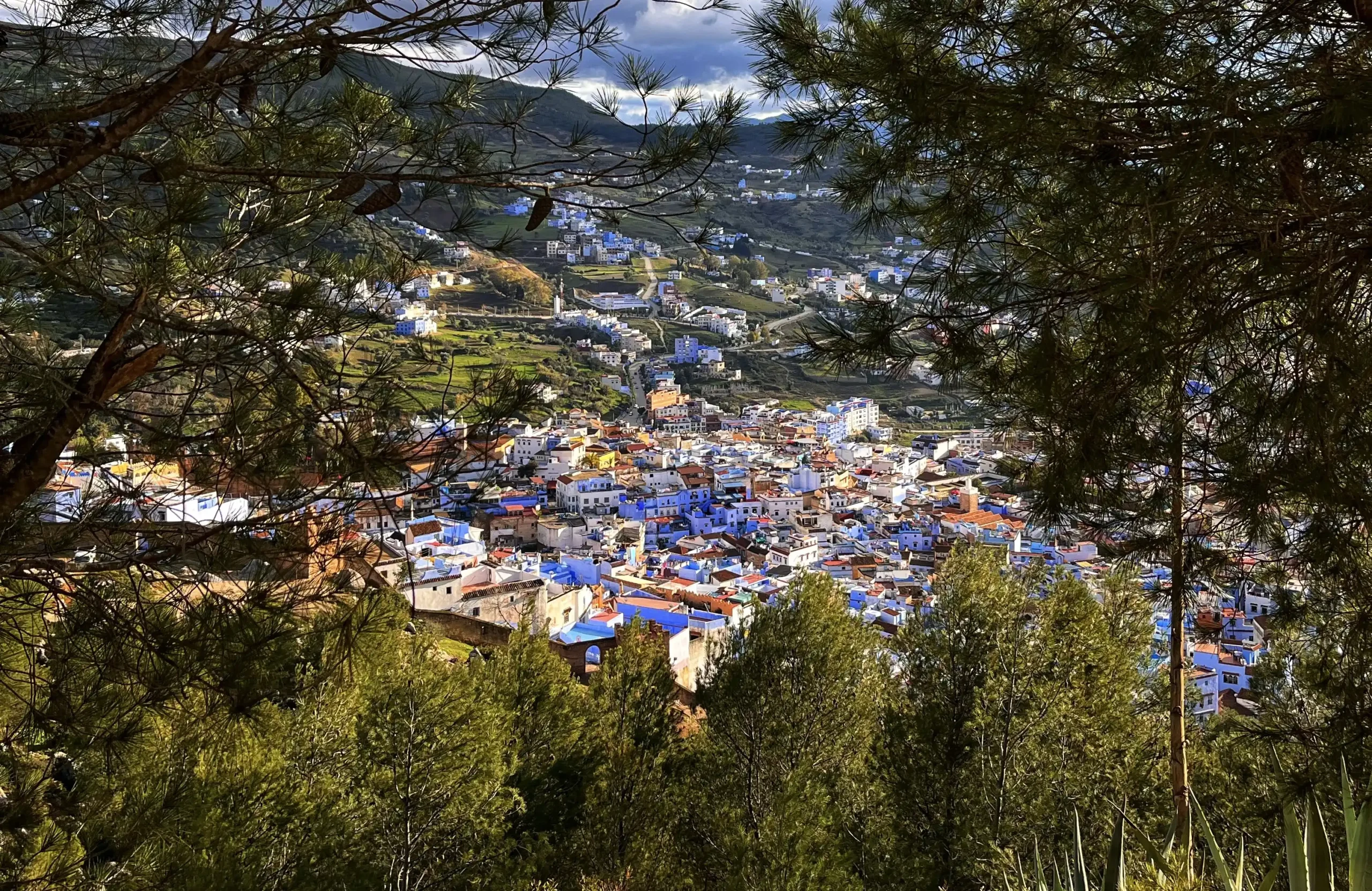
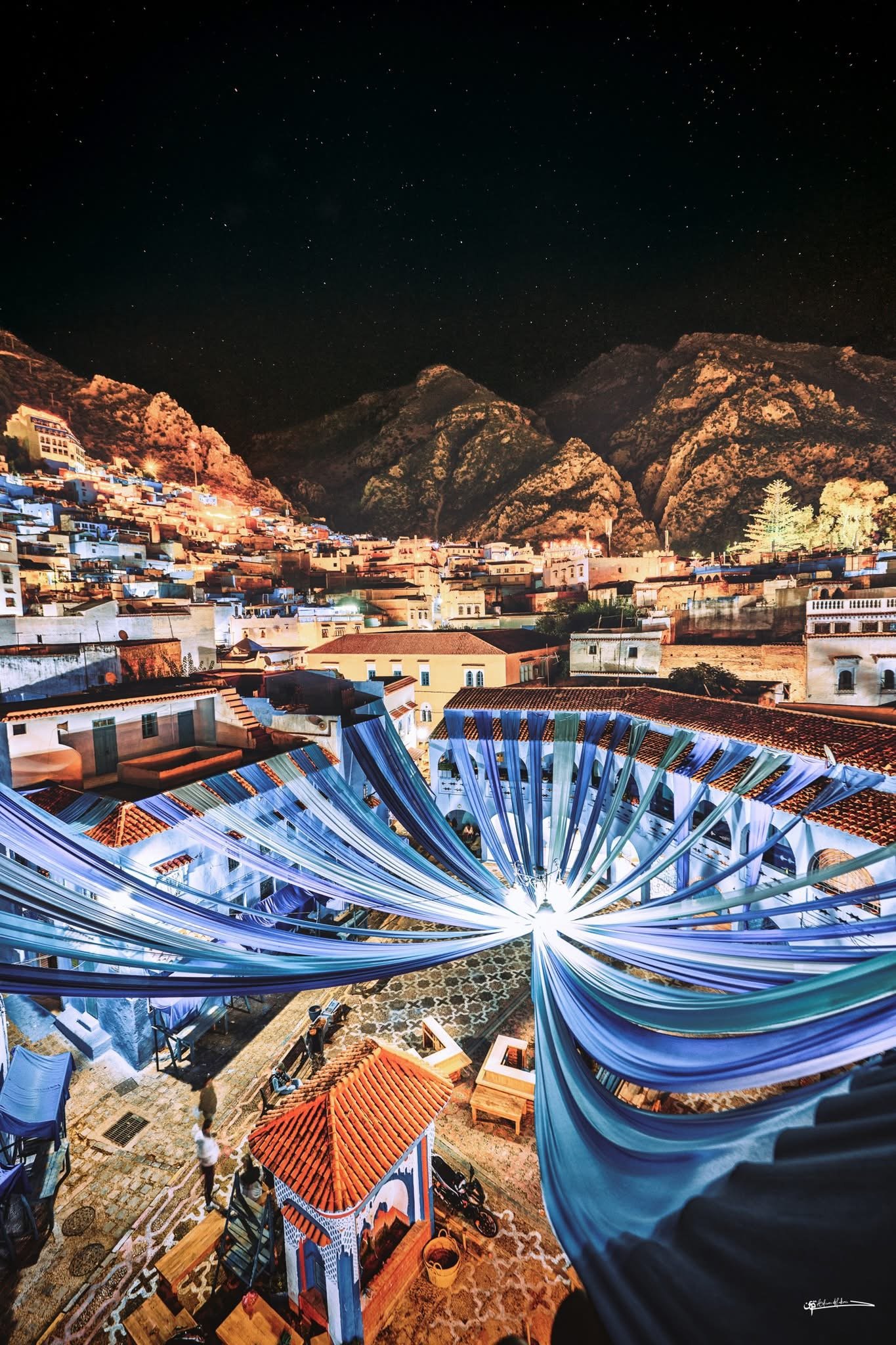
Chefchaouen, Morocco’s iconic “Blue Pearl,” is one of the most photographed destinations in North Africa — and for good reason. Tucked into the folds of the Rif Mountains, this small mountain town stuns visitors with its extraordinary blue-washed medina, labyrinthine alleyways, and an atmosphere of serene tranquility unlike anywhere else in the country. But beyond the Instagram-perfect images, there’s a richer, more authentic version of Chefchaouen waiting for you. This complete Chefchaouen travel guide gives you both — the must-see highlights AND the local secrets that most visitors miss.
Quick Facts About Chefchaouen
- 📍 Location: Rif Mountains, northwestern Morocco
- 🗣️ Languages: Darija (Moroccan Arabic), Spanish (widely spoken due to proximity to Spain and colonial history), French, & basic English in tourist areas
- 💰 Currency: Moroccan Dirham (MAD). Cash is king — while some larger hotels accept cards, you will need cash for the medina. ATMs are available near the main square (Place Uta el-Hammam).
- 👗 Dress Code: Conservative. Despite the tourist influx, it remains a traditional mountain town. Cover knees and shoulders, especially when wandering deeper into the medina.
- 🕐 Best Time to Visit: Spring (March–May) and Autumn (Sep–Nov) for mild weather and magnificent green mountain landscapes.
- 🌡️ Climate: A distinct mountain climate. Warm and dry in the summer (often cooler than Marrakech), but winters can be freezing and surprisingly wet, with occasional snow on the surrounding peaks.
- 🔌 Electricity: 220V, Type C/E plugs (standard European two-pin plugs).
- 📶 Wi-Fi/SIM: Affordable local SIM cards are widely available. Look for tobacco shops with the three white circles on a blue sign. Maroc Telecom is generally considered the most reliable network.
A Deep Dive into Chefchaouen’s History
To truly understand the rhythm and soul of Chefchaouen, you have to look into its past. Founded in 1471 by Moulay Ali Ben Moussa Ben Rached El Alami, the town began as a small fortress. Its primary purpose was to serve as a base for Moorish tribes to stage attacks against the Portuguese, who had invaded northern Morocco.
But the cultural identity of Chefchaouen was forged shortly after, in 1492. Following the Spanish Reconquista, a massive influx of Muslim and Jewish exiles fled Spain and settled in this mountain enclave. They brought with them the distinctive Andalusian architectural style — the red-tiled roofs, the narrow winding streets, and the hidden courtyards that you see today. For centuries, Chefchaouen remained a sacred, closed city. In fact, until the Spanish arrived in 1920, it is believed that fewer than a handful of non-Muslim foreigners had ever set foot inside its walls. This long isolation is exactly why its medieval character is so impeccably preserved.
Why is Chefchaouen Blue?
It’s the question every traveler asks. The truth is, there is no single, universally agreed-upon answer. The most prominent theories include:
- The Jewish Influence: Many historians believe the blue washing was introduced by the Sephardic Jewish community in the 1930s. In Judaism, blue represents the sky and heaven, serving as a constant reminder to live a spiritual life.
- Mosquito Repellent: A more practical theory suggests that the specific shade of blue helps repel mosquitoes, who mistake the painted walls for flowing water.
- Cooling the Town: Some locals will tell you the blue paint keeps the buildings cool during the scorching summer months.
- Attracting Tourism: The most cynical (and perhaps most realistic regarding recent decades) theory is that once the town realized the blue color attracted tourists, they committed to painting everything blue to maintain the economic boom.
How to Get to Chefchaouen
Chefchaouen is nestled deep in the Rif Mountains. It does not have an airport or a train station. It is a destination you must deliberately travel to, which keeps the massive bus tours of the larger cities somewhat at bay.
From Tangier (The Easiest Route)
If you are flying in from Europe or taking the ferry from Spain, Tangier is your best entry point. The journey takes about 2 to 2.5 hours.
Bus: CTM buses (the main Moroccan tourist bus line) leave a few times a day. Book your tickets a day in advance online.
Grand Taxi: Shared taxis run frequently. You buy a seat (or pay for all six seats if you want a private ride) and leave when the taxi is full.
From Fes
A very popular route for those touring the imperial cities. The drive through the mountains is long but highly scenic.
Bus: The journey takes roughly 4 to 4.5 hours via CTM. Again, book in advance as this route sells out quickly.
Private Driver: 🏆 Local Tip: If your budget allows, hiring a private driver between Fes and Chefchaouen allows you to stop at the Roman ruins of Volubilis and the holy town of Moulay Idriss along the way.
Getting Around the Blue City
Leave your car keys behind. The old medina of Chefchaouen is completely car-free, consisting entirely of stairs, narrow alleys, and steep inclines. You will be walking. A lot. Pack comfortable, sturdy walking shoes. You can easily catch a “Petit Taxi” (the blue local taxis) to take you from the bus station to the medina gates, but from the gates inward, you are on foot.
Understanding the Neighborhoods: Where to Stay in Chefchaouen
Your accommodation will define your experience. Before booking, you need to understand the layout of the town.
The Lower Medina (Near Place Uta el-Hammam)
The Vibe: This is the bustling heart of the tourist area. You are steps away fromcafes, the Kasbah, and the main souks.
Pros: Excellent if you have heavy luggage (minimal uphill walking) and want to be in the center of the action.
Cons: It can be very noisy until late at night, and you lose some of the tranquil mountain atmosphere.
The Upper Medina (Near Ras El Ma & Bab el Ansar)
The Vibe: Quiet, highly residential, and exceptionally beautiful. You’ll find fewer shops and more locals going about their daily lives.
Pros: Stunning views looking down over the blue roofs and an incredibly peaceful atmosphere.
Cons: You have to drag your luggage up a steep hill to get there (though you can tip a local porter with a handcart to help).
Why You Should Choose Casa Olea Vista
If you’re looking for the perfect balance of authentic Moroccan aesthetics, modern comfort, and expert local guidance, look no further than Casa Olea Vista. Located perfectly to give you tranquility while remaining accessible, we pride ourselves on genuine hospitality. Our breakfasts feature fresh, local ingredients, and our rooftop terrace provides one of the best views of the Rif Mountains in town. Our staff knows the medina intimately and can guide you to experiences you won’t find in standard guidebooks. Check availability and book directly with us for the best rates.
Things to Do in Chefchaouen: A Local’s Itinerary
Many tourists make the mistake of coming to Chefchaouen for 4 hours, snapping a photo on the “famous blue stairs,” and leaving. To do so is to miss the magic of the Rif mountains entirely. Here is what you should actually do with your 2-3 days here.
1. Get Lost in the Medina (Early Morning)
The number one activity is simply existing in the medina. But timing is everything. Start your walk at 7:30 AM or 8:00 AM. Before 9 AM, the day-trippers haven’t arrived, the shopkeepers are just beginning to sweep their stoops, and the angled morning light hitting the blue powder-coated walls is utterly magical.
Seek out Calle Sidi Buchuka and Callejon El Asri, but don’t obsess over them. Let your feet guide you into the dead ends and hidden residential squares.
2. Visit the Kasbah Museum in Place Uta el-Hammam
Located in the main square, the 15th-century Kasbah is a heavily restored walled fortress that provides a beautiful contrast of red clay walls against the blue town. For a tiny entrance fee, you can explore the Andalusian gardens, view some local ethnographic artifacts in the museum, and climb the tower for incredible 360-degree views of the town.
3. Hike to the Abandoned Spanish Mosque
Built by the Spanish in the 1920s but never actually used, this white mosque sits on a hill looking directly down over Chefchaouen. The hike takes about 30–40 minutes from the eastern gate of the medina (Bab el Ansar), transitioning from the blue streets into a dusty mountain trail.
🏆 Local Tip: Do this hike exactly one hour before sunset. You will watch the sun dip below the mountains, casting golden light over the blue city, followed by the magical moment when the town’s lights flicker on and the evening Call to Prayer echoes through the valley.
4. Relax at Ras El Ma Water Spring
Just outside the medina walls lies Ras El Ma, the natural water spring that sustains the town. This is a very local spot. You’ll often see women washing carpets in the rushing water and children playing on the rocks. Pull up a plastic chair at one of the rustic cafes built right into the stream, order a fresh-squeezed orange juice, and cool your feet in the mountain water.
5. Shop for Unique Rif Mountain Handicrafts
Chefchaouen offers shopping you won’t find in Marrakech. The region is famous for its weavers. Look for the distinct, brightly colored woven blankets, thick wool garments, and the traditional striped djellabas. It is also an excellent place to buy raw pigments and high-quality leather goods. The souks here are much less high-pressure than in the larger imperial cities.
6. Day Trip to Akchour Waterfalls and God’s Bridge
If you stay for 3 days (which you should), a day trip to Akchour in the Talassemtane National Park is mandatory. Located a 45-minute grand taxi ride from town, this area offers incredible hiking. You can choose the trail to the cascading Akchour Waterfalls (a 2-3 hour moderate hike) or the trail to God’s Bridge (Pont de Dieu), a stunning natural rock bridge spanning a deep gorge. The water runs crystal clear and freezing cold — perfect for a summer dip.
Where to Eat: A Culinary Guide to Chefchaouen
Mountain food in Morocco is hearty, rustic, and incredibly flavorful. Because of the climate, you’ll see more rich stews and creamy soups than you might on the coast.
Local Dishes You Must Try
- Bissara: This is the ultimate Chefchaouen comfort food. It’s a thick, creamy soup made from dried fava beans or split peas, generously drizzled with locally pressed olive oil, cumin, and paprika. It’s often eaten for breakfast!
- Goat Cheese (J’ben): The Rif mountains are full of goats. The local fresh goat cheese is crumbly, slightly tart, and often served with local honey and walnuts.
- Tagine: Specifically, try a tagine made with goat meat and local prunes, slow-cooked in the clay pot until it falls off the bone.
Highly Recommended Restaurants
- Restaurant Sofia: A small, female-owned spot slightly off the main tourist track. They serve arguably the best, most authentic home-cooked tagines in town at very reasonable prices.
- Bab Ssour: Located deep in the medina, this multi-level restaurant is crowded with both locals and tourists. It’s affordable, authentic, and their Friday couscous is exceptional.
- Café Clock: While famous in Fes and Marrakech, their Chefchaouen location offers live local music, a famous Camel Burger, and a fantastic rooftop view. It’s slightly pricier but worth it for the ambiance and cultural events.
- Hamsa: Located near the main square, this is an excellent choice if you are looking for lighter, cafe-style food, great coffee, and vegetarian/vegan options with a premium view.
Crucial Tips on Culture & Etiquette
To have the best experience, you must transition from a “tourist” mindset to a “traveler” mindset.
- Photography Etiquette: This is critical. The blue streets are beautiful, but they are people’s homes. Locals in Chefchaouen are generally very private and strongly dislike having their photo taken without permission. Never photograph a local (especially women or children) without asking first. Take photos of the architecture, not the people.
- Bargaining: In the souks, bargaining is expected. It is a social transaction, not an argument. Smile, offer half the starting price, and meet somewhere in the middle. If a shop has fixed prices, they will usually display a sign stating so.
- The “Hashish” Question: The Rif mountains are known as a major center for cannabis cultivation. As you walk through town or on hiking trails, you will likely be offered hashish. It is illegal in Morocco, despite its prevalence here. A firm but polite “La, shukran” (No, thank you) is all that is required. They will not hassle you further.
- Cats of Chefchaouen: You will see hundreds of street cats. They are generally well-fed by the locals and consider themselves the true owners of the medina. Feel free to pet them but wash your hands before eating!
Ready to Experience the Blue Pearl?
A trip to Chefchaouen is a journey into a slower, more deliberate way of life. By spending a few days here, wandering the blue mazes before the crowds arrive, hiking the rugged Rif trails, and savoring local Bissara, you will understand why travelers fall so deeply in love with this mountain retreat.
To ensure your stay is just as memorable as the town itself, make Casa Olea Vista your home during your visit. Get in touch with us today to book your authentic Moroccan getaway.


[…] a complete overview of everything to do and see while in northern Morocco, read our comprehensive Ultimate Chefchaouen Travel Guide written from a local’s […]