The Soul of Moroccan Cuisine: An Ultimate Guide
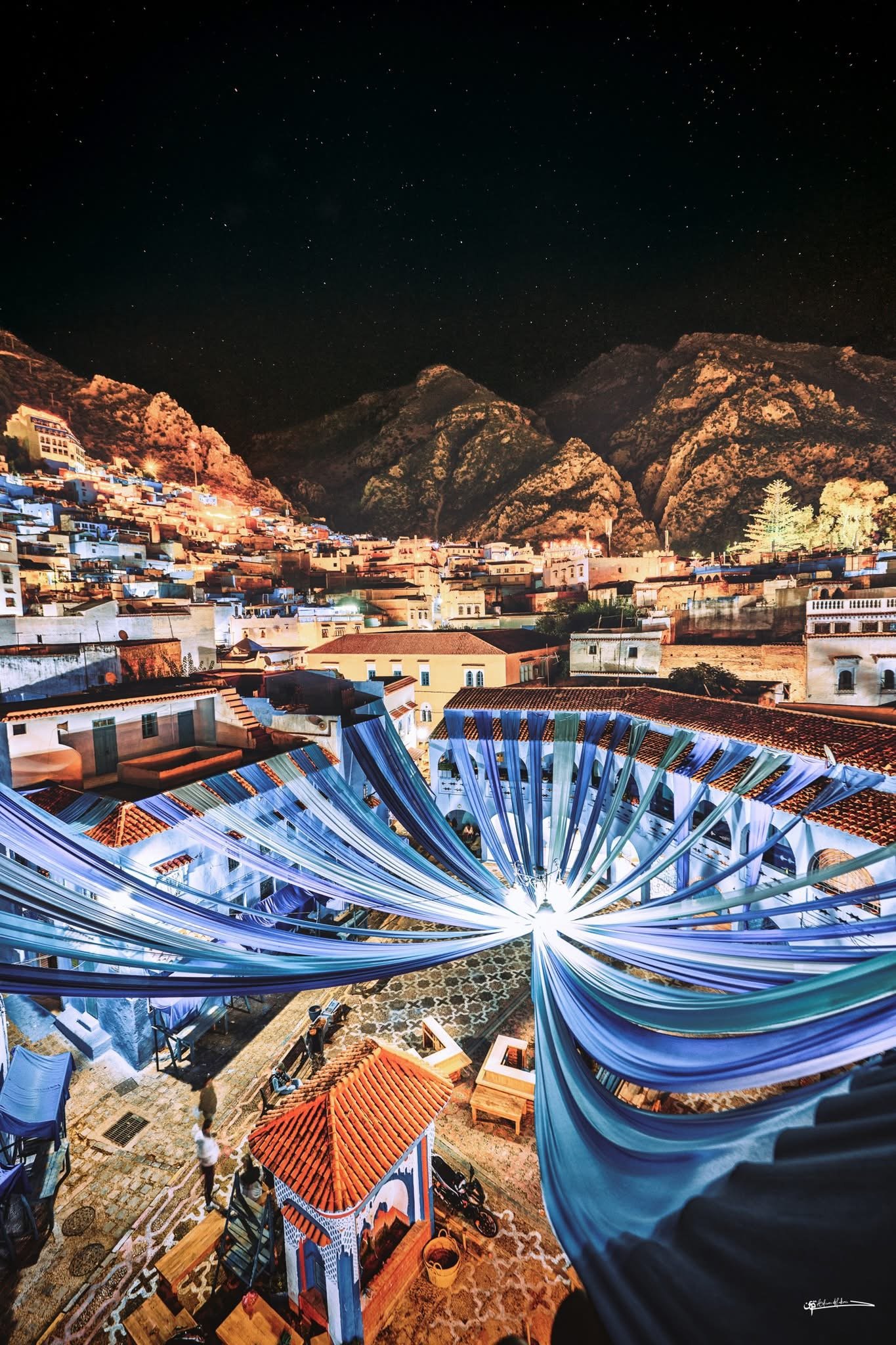
When you wander through the vibrant, blue-washed streets of Chefchaouen, it is not just the visual beauty that captivates you—it is the intoxicating aromas that drift from every open doorway and bubbling clay pot. Moroccan cuisine is a deeply historical and cultural tapestry, woven with the culinary traditions of the indigenous Amazigh (Berbers), Andalusian Spain, and the broader Middle East. Unlike the fast-paced dining of modern Western cities, eating in Morocco is a slow, communal, and profoundly social experience that brings families and travelers together over beautifully spiced, slow-cooked dishes.
For visitors exploring northern Morocco, understanding the local gastronomy is just as important as knowing the best way to travel from Tangier to Chefchaouen. In this ultimate guide to Moroccan cuisine, we will dive deep into the essential spices, the iconic dishes you absolutely must try, the etiquette of eating like a local, and how the specific regional variations in the Rif Mountains make Chefchaouen a unique culinary destination. Whether you are retreating to your luxury base at Casa Olea Vista in southern Spain or spending the night in a traditional riad in the blue city, this guide will prepare your palate for an unforgettable adventure.
The Building Blocks: Spices and Flavor Profiles
The foundation of all authentic Moroccan cuisine lies in its complex, bold, yet surprisingly delicate use of spices. Unlike the fiery heat found in some global cuisines, Moroccan food focuses on aromatic warmth. The local markets (souks) are overflowing with massive, conical mounds of freshly ground spices.
Ras el Hanout: The King of Spices
If there is one ingredient that defines the flavor profile of the region, it is Ras el Hanout. Translated directly as “head of the shop,” this complex spice blend can contain anywhere from 10 to over 40 different spices, depending on the vendor’s secret family recipe. Common ingredients include cumin, coriander, cinnamon, ginger, cardamom, and occasionally dried rose petals. It is heavily utilized in slow-cooked stews and meat rubs.
The Essential Extras: Preserved Lemons and Olives
Beyond dry spices, two heavily utilized ingredients add the signature tangy, umami depth to Moroccan cuisine: preserved lemons and cured olives. Lemons are packed in salt and their own juices and left to ferment for months until the rind becomes buttery soft and intensely flavorful. You will find minced preserved lemon rind in almost every chicken dish served in the country, cutting through the richness of the meats perfectly.
Iconic Dishes You Must Try
To truly experience the culture, you must venture beyond international hotel buffets and dive into traditional Moroccan fare. Here are the cornerstone dishes that should be on your culinary bucket list.
1. The Mighty Tagine
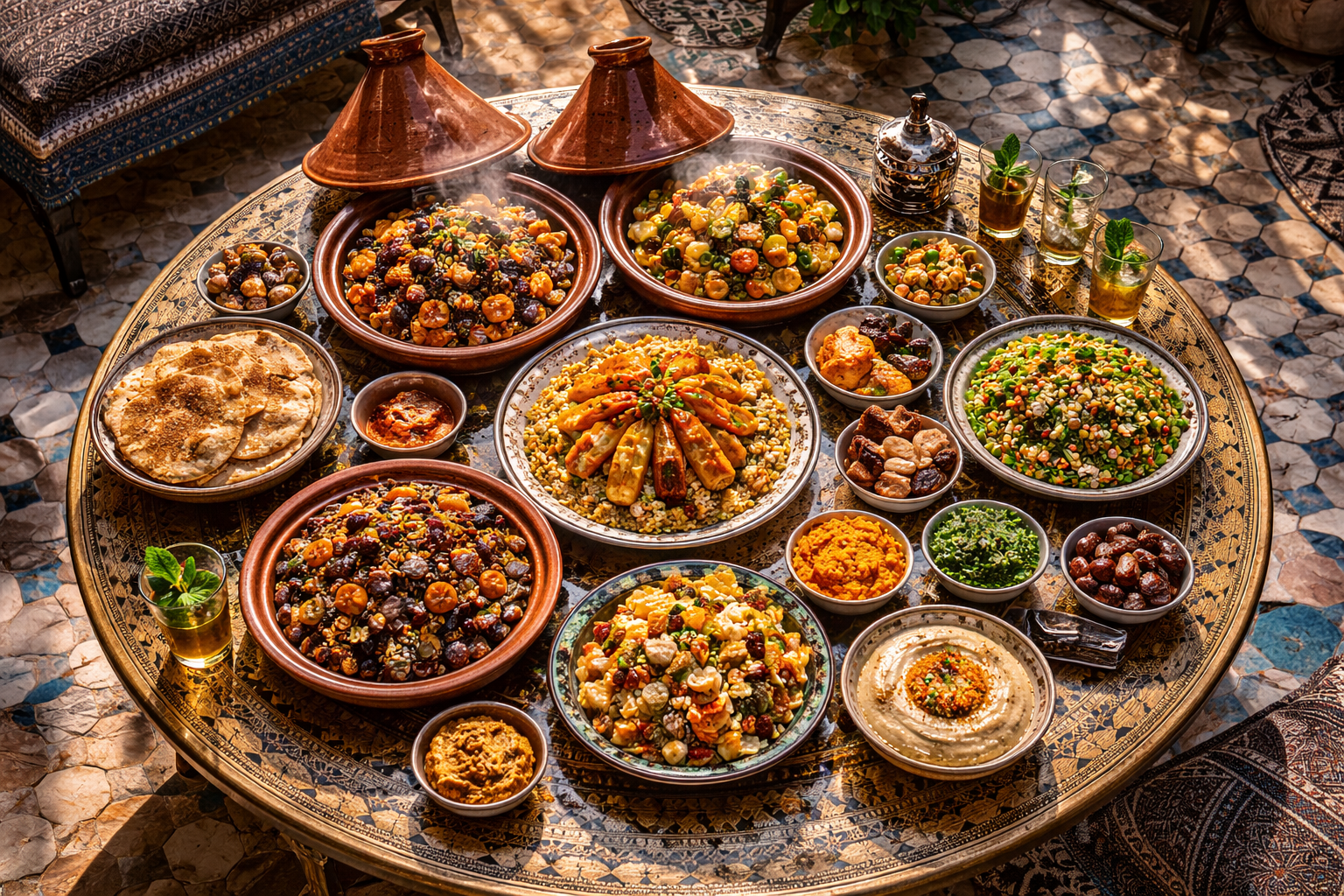
The undisputed king of Moroccan cuisine is the tagine. Importantly, the word “tagine” refers to both the iconic cone-shaped clay cooking vessel and the slow-cooked stew prepared within it. The unique shape of the lid causes condensation to drip back down into the dish, ensuring the meats and vegetables remain incredibly tender and moist. The most traditional variations include Chicken with Preserved Lemons and Olives, and Beef or Lamb with Prunes and toasted Almonds. For a deep dive into the history and preparation of this dish, read our dedicated guide to Tagine in Chefchaouen.
2. Friday Couscous
While often viewed as a side dish in Western countries, genuine Moroccan couscous is a massive, labor-intensive culinary event. Traditionally prepared only on Fridays (the holy day of the week), the semolina granules are hand-rolled and steamed three separate times over a bubbling broth of meats and seven different vegetables. It is served communal style on a massive platter, with the tender meats and vegetables arranged beautifully on top.
3. Bissara: The Breakfast of Champions
In the cooler, high-altitude climate of the Rif Mountains surrounding Chefchaouen, locals start their day with something much heartier than a croissant. Bissara (or Bessara) is a thick, rich soup made from dried split fava beans or green peas, heavily seasoned with cumin, garlic, and generous glugs of high-quality local olive oil. It is incredibly cheap, highly nutritious, and the perfect fuel before attempting the hike to Akchour Waterfalls. Learn more about this local staple in our article on Bissara in Chefchaouen.
4. Harira: The Soup of Breaking Fast
Famous for being the traditional soup used to break the fast during the holy month of Ramadan, Harira is a hearty tomato-based soup packed with lentils, chickpeas, fresh herbs (cilantro and parsley), and small pieces of meat. It is frequently thickened with a flour paste (tadouira) and served alongside intensely sweet dates and Chebakia, a sesame and honey cookie. The contrast between the savory soup and the sweet dates is a hallmark of Moroccan dining.
The Ritual of Moroccan Mint Tea
In Morocco, tea is not a beverage; it is a profound cultural institution. It is offered as a gesture of deep hospitality to guests, consumed after a long session in a traditional hammam, negotiated over in the bustling markets, and sipped slowly after dinner. Known affectionately as “Moroccan Whiskey,” the traditional Moroccan mint tea is a blend of Chinese gunpowder green tea, massive handfuls of fresh spearmint leaves, and generous blocks of sugar.
The preparation and pouring of the tea is a ceremonial art form. The host will pour the tea from high above the glass to aggressively aerate the liquid, creating a frothy crown on top of the tea deemed absolutely essential by locals. To learn the cultural intricacies of this ritual, be sure to read our complete guide to Moroccan Mint Tea.
Navigating the Chefchaouen Culinary Scene
Chefchaouen offers a unique culinary landscape. Because of its location in the Rif Mountains and its deep Andalusian historical roots, the food here leans heavily on fresh mountain produce, goat cheese (Jben), and pure olive oils.
Where to Eat
When searching for the best restaurants in Chefchaouen, you will find a mix of bustling cafes in Plaza Uta el-Hammam and quiet, intimate dining rooms tucked away in restored riads. If you want the most authentic experience, seek out tiny, hole-in-the-wall establishments (snack bars) where locals dine, or make a reservation at one of the highly-rated, family-run guesthouses. We have curated a list of the absolute top dining spots in our article on the Best Restaurants in Chefchaouen.
Dining Etiquette
If you are invited to eat in a traditional Moroccan home, or even when dining at highly traditional restaurants, there are a few rules of etiquette to keep in mind:
- Wash Your Hands: Eating is often done with the hands instead of cutlery, making hand hygiene incredibly important. Many hosts will bring a washbasin (tarik) to the table before the meal begins.
- Use Your Right Hand Only: When eating communal dishes like tagine or couscous, you must only use your right hand to scoop up food using pieces of fresh, crusty bread (Khobz). The left hand is traditionally reserved for personal hygiene and is considered unclean for dining.
- Eat What is in Front of You: When eating from a shared communal platter, it is considered impolite to reach across the dish to take food from another person’s “triangle” or section. The host will often push the best pieces of meat toward their guests.
Conclusion
Exploring the depths of Moroccan cuisine is a sensory journey that perfectly complements the visual overload of exploring the blue streets of Chefchaouen. From the slow, methodical preparation of a Friday couscous to the fast, incredibly flavorful bites of street food like Makouda (fried potato cakes) and Bissara soup, your culinary adventure here will be deeply memorable.
As you plan your journey through Andalusia and northern Morocco, remember that base camps like Casa Olea Vista offer you a magnificent vantage point to explore the gastronomy of two interconnected continents. Bon appétit, or as they say in Morocco: Besseha!