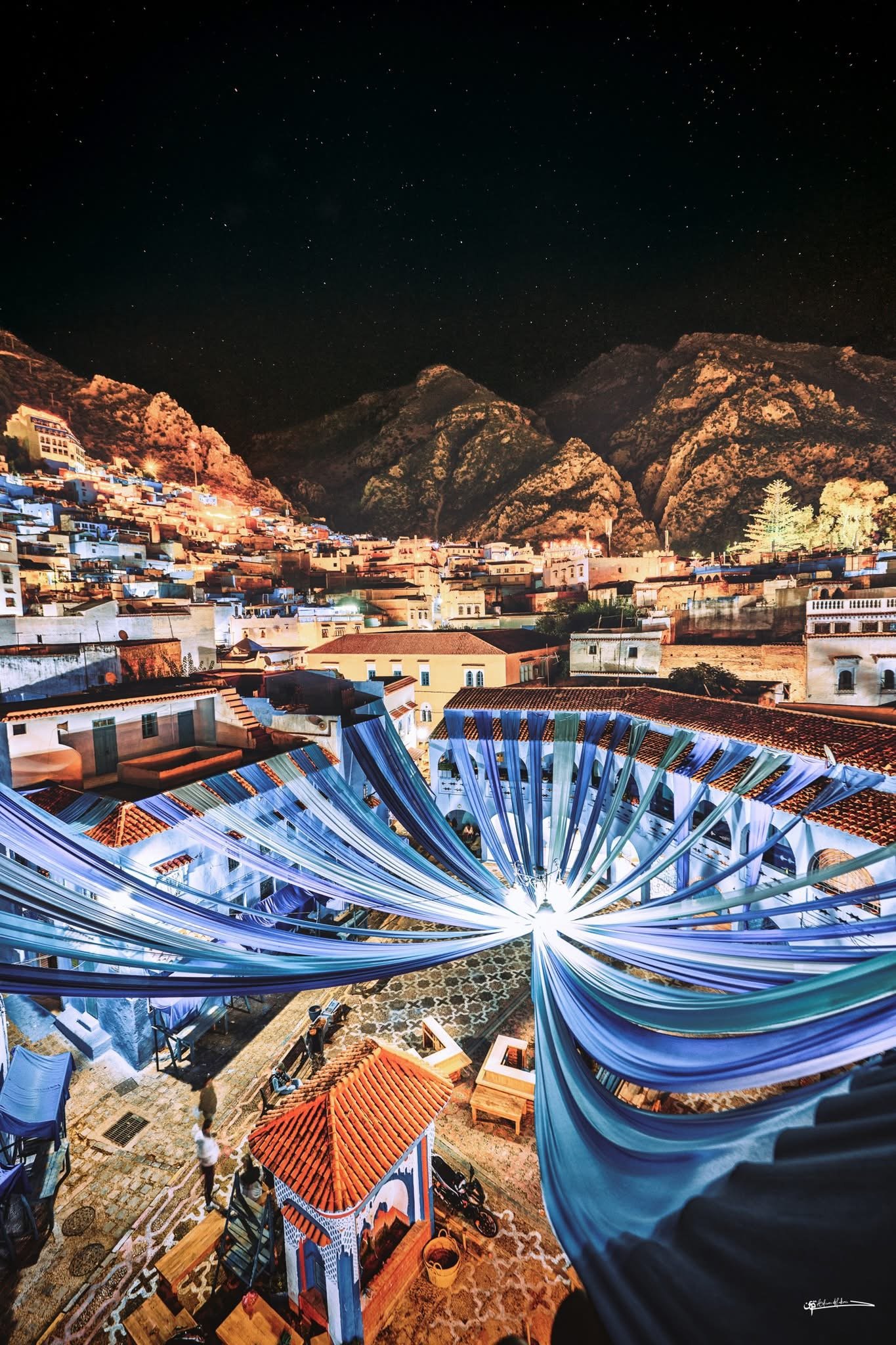
Bissara in Chefchaouen: The Hearty Breakfast of the Blue City
There is a vast misconception that a traditional Moroccan breakfast consists solely of mint tea and sweet, flaky pastries like Msemen or Beghrir. While those are certainly staples of Moroccan cuisine, they are rarely enough to sustain the heavily physical, agricultural, and hiking-focused lifestyles found in the northern Rif Mountains. Enter the true breakfast of mountain champions: Bissara. When searching for the most authentic and warming start to your day in the Blue City, finding a steaming bowl of Bissara in Chefchaouen is an absolute necessity.
What is Bissara?
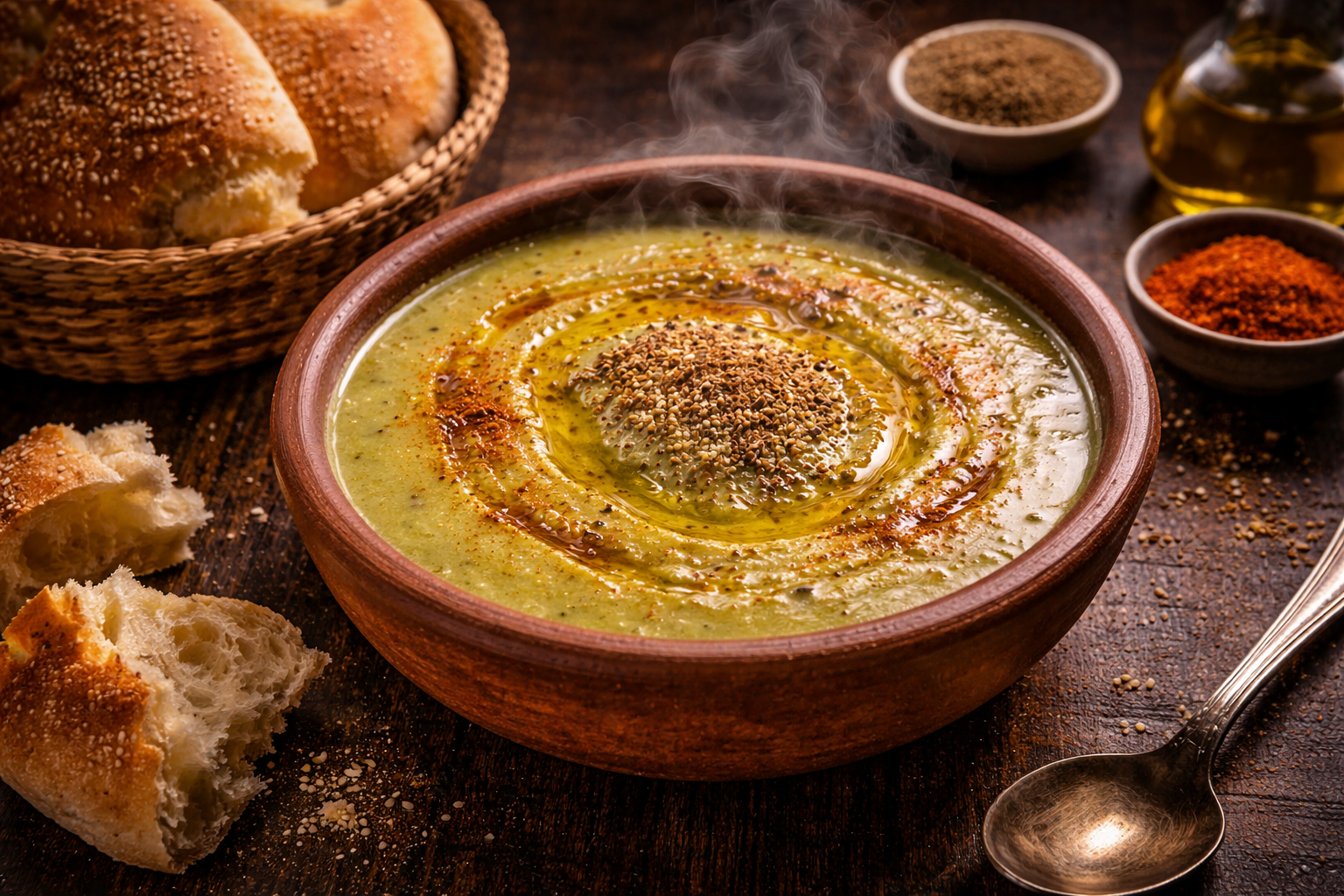
Bissara (also spelled Bessara, Baysar, or Tamarakt in the local Amazigh dialect) is a profoundly simple, thick, and velvety soup or dip made entirely from dried split fava beans (or occasionally dried green peas). While its ingredients are humble, its flavor is rich, earthy, and incredibly satisfying. The dried beans are slow-cooked for hours until they dissolve completely into a creamy purée, heavily infused with garlic, cumin, sweet paprika, and an incredibly generous amount of high-quality local olive oil.
Because the region surrounding Chefchaouen is renowned for producing some of the finest olive oil in all of Morocco, the Bissara served here is widely considered to have a superior, more peppery finish than variations found further south in Marrakech or Casablanca.
The Perfect Pre-Hike Fuel
If you are planning an extensive day trip—for instance, tackling the rugged trails from Tangier to Chefchaouen, or embarking on the demanding hike to the Akchour Waterfalls—Bissara is the ultimate fuel. It is packed with complex carbohydrates and heavy plant-based protein. It acts like a slow-burning furnace, keeping you energized long into the afternoon without the heavy crash associated with sugary breakfasts.
How to Eat Bissara Like a Local
Experiencing Bissara in Chefchaouen is not just about the food; it is about the ritual of eating it.
- No Spoons Required: True traditionalists do not use a spoon to eat Bissara. Instead, you are given a steaming hot loaf of round, crusty Moroccan bread (Khobz). You tear off a small piece of bread with your right hand and use it to scoop the thick purée directly from the communal bowl.
- Customize Your Bowl: Your bowl will usually arrive “undressed.” The vendor will place small bowls of ground cumin, hot chili powder (Sudaniya), and a bottle of virgin olive oil on the table. It is entirely up to you to generously dust the top of your soup with cumin and swirl the olive oil into the hot liquid before taking your first bite.
- Pair it with Mint Tea: The savory, garlicky depth of the soup creates a magnificent contrast with a piping hot, incredibly sweet glass of Moroccan Mint Tea. The heat of the tea also helps wash down the heavy fats of the olive oil.
Where to Find the Best Bissara in the Medina
Unlike the complex, slow-cooked Moroccan tagines which are often featured on the menus of the best restaurants in Chefchaouen, Bissara is fundamentally street food. You will rarely find it on the dinner menus of luxury establishments.
To find it, you must wake up early (around 7:30 AM to 8:30 AM) and walk the steep alleyways looking for tiny, hole-in-the-wall shops that only sell one thing. Look for a massive, tall, silver pot sitting on a low burner outside a small storefront. If the locals are huddled around small, plastic tables dunking bread into bowls of yellow-green purée, you have hit the jackpot. Famous local spots like Bab Ssour also offer it heavily during lunch hours, but the early morning street vendors always provide the most authentic, atmospheric experience.
Conclusion
For budget packers and luxury travelers alike, diving into a bowl of Bissara in Chefchaouen is a culinary rite of passage. It represents the deeply practical, warming, and comforting nature of mountain cuisine. Next time you exit your riad on a crisp mountain morning, skip the continental breakfast and follow the scent of cumin and garlic—you will not regret it.