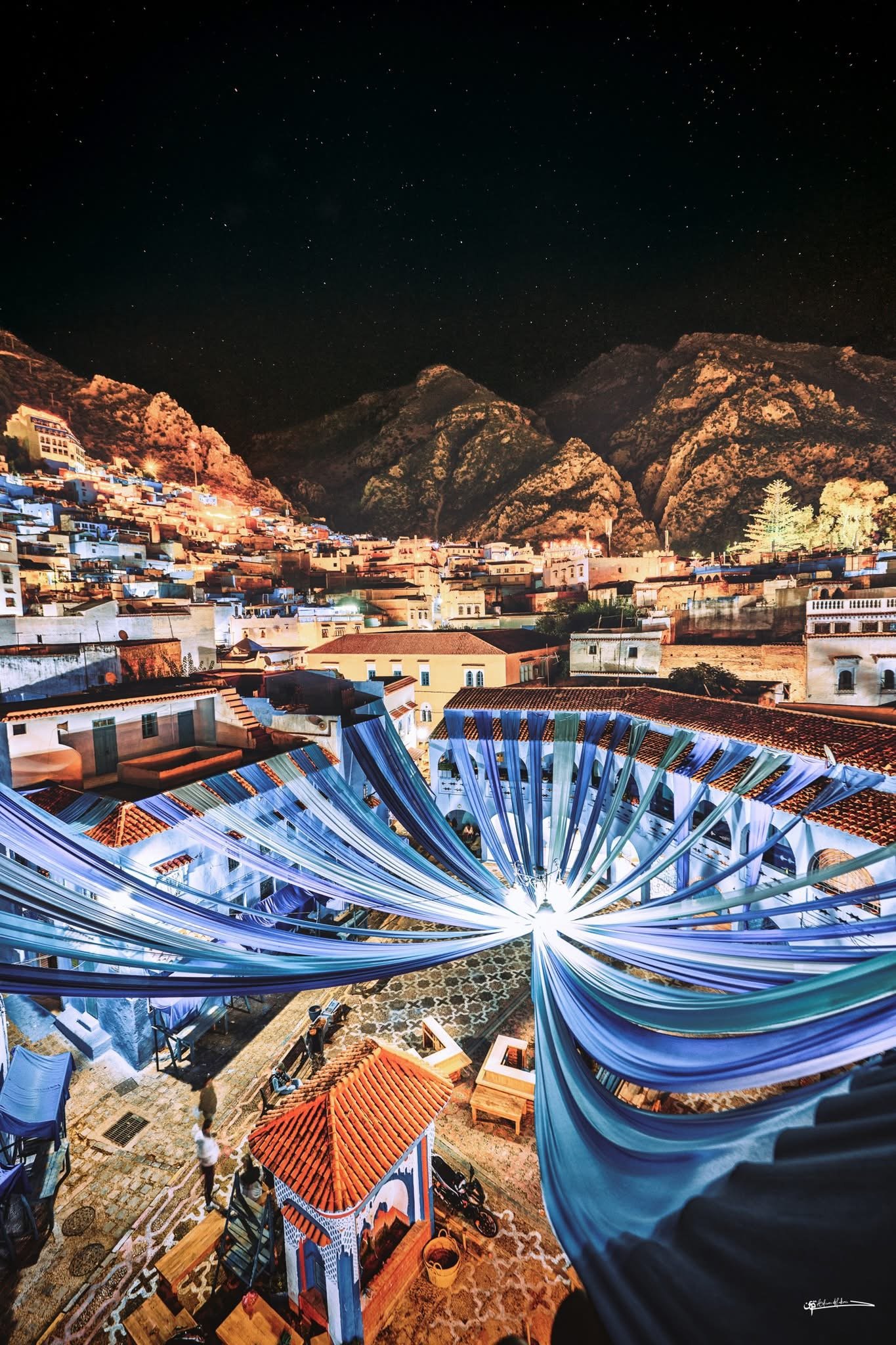
Tagine in Chefchaouen: The Slow-Cooked Masterpiece of the Blue City
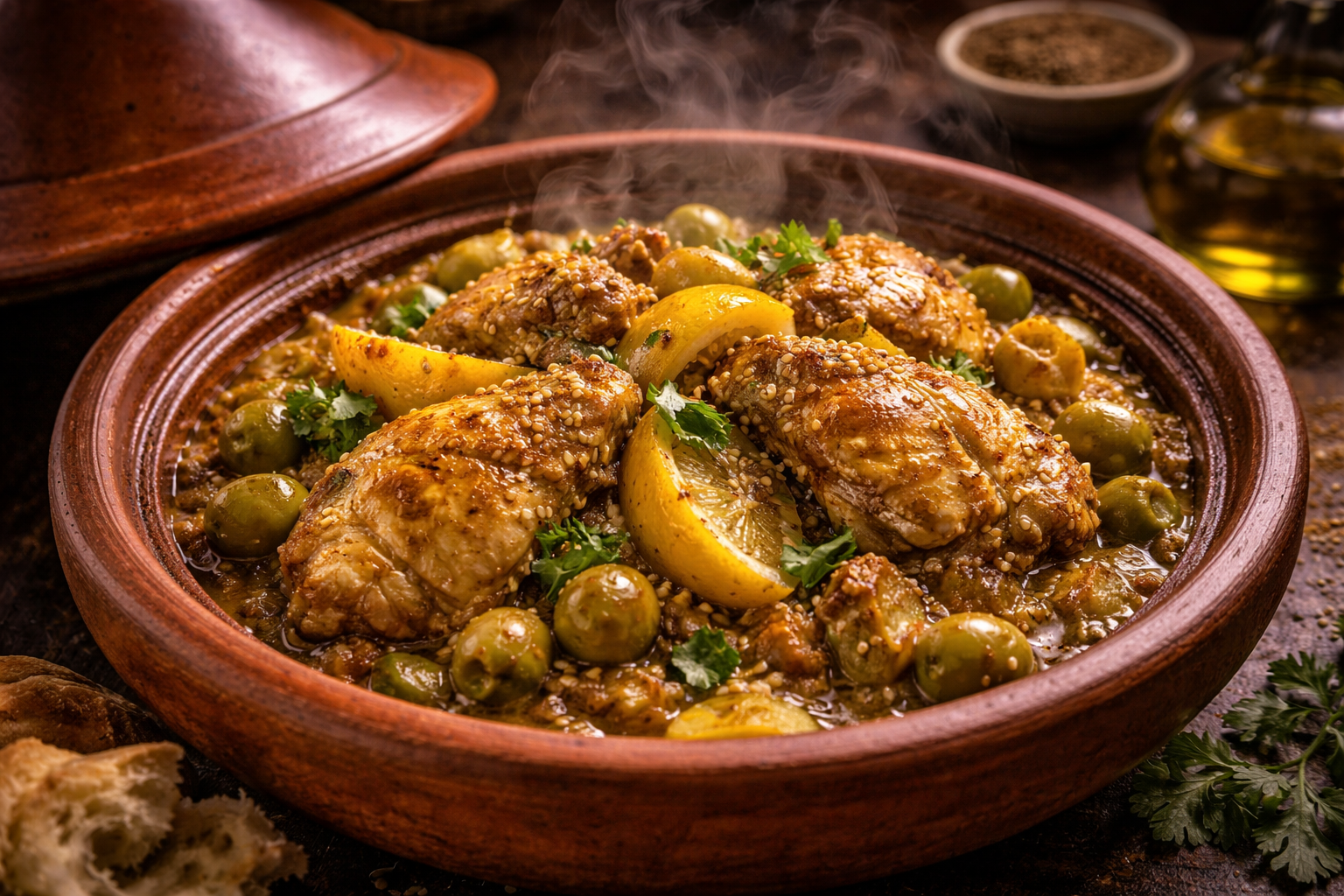
If there is a single dish that defines the essence of Moroccan cuisine, it is undoubtedly the tagine. Walking through the narrow, cobalt-blue streets of the medina, you will undoubtedly see these iconic cone-shaped clay pots simmering gently over smoldering charcoal braziers outside almost every local home and restaurant. Experiencing a fiercely authentic tagine in Chefchaouen is more than just a meal; it is a deep dive into centuries of Amazigh (Berber) culinary tradition wrapped in complex, aromatic spices.
What Exactly is a Tagine?
There is often confusion among first-time visitors to Morocco regarding what a tagine actually is. The word “tagine” refers identically to both the conical clay cooking vessel and the slow-cooked stew prepared inside it. The brilliant design of the vessel is ancient and highly functional: the tall, conical lid forces condensation from the simmering stew to gather at the top and drop back down over the ingredients. This creates a self-basting environment that results in incredibly tender meats and perfectly steamed vegetables, even when using tougher, cheaper cuts of meat.
Because the region relies on mountain agriculture, the tagine in Chefchaouen often features distinct local variations compared to the dishes found further south. It relies heavily on seasonal mountain vegetables, fresh herbs, and unparalleled local olive oils.
The Must-Try Variations in the Blue City
When you sit down at one of the best restaurants in Chefchaouen, you will be presented with several classic variations of the dish. To truly appreciate the breadth of the cuisine, try to sample as many as possible during your stay.
1. Chicken, Preserved Lemon, and Green Olive Tagine
This is arguably the most famous and universally loved tagine in Morocco. The chicken is slow-braised until it literally falls off the bone. The real magic, however, lies in the intense, tangy umami flavor that comes from the preserved lemons (lemons cured in salt for months) and the bitter, salty pop of the green olives. It is a masterpiece of balanced acidity and richness.
2. Beef or Lamb with Prunes and Toasted Almonds
This sweet-and-savory combination highlights the Andalusian and historical Middle Eastern influence on the local gastronomy. The meat is braised in a complex spice blend featuring cinnamon, ginger, and Ras el Hanout, then topped with sticky, caramelized dried prunes and crunchy, toasted almonds. It is typically served during weddings and celebrations but is readily available in local eateries.
3. Kefta Mkaouara (Meatball Tagine)
A fast, wildly popular, and universally comforting dish. Heavily spiced ground beef or lamb meatballs (Kefta) are poached in a thick, rich, heavily cumin-spiced tomato sauce. Just before serving, eggs are cracked directly into the bubbling tomato sauce and allowed to poach. It is the Moroccan equivalent to comfort food and is incredibly cheap and filling.
4. The Seven Vegetable Mountaineer Tagine
Perfect for vegetarians or those seeking a lighter meal after a heavy morning bowl of Bissara. This dish relies entirely on stacking seasonal mountain vegetables (zucchini, carrots, potatoes, turnips, peas, and tomatoes) in a precise cone shape over a bed of onions, allowing them to steam perfectly in the earthy clay pot.
The Etiquette of the Tagine
A tagine in Chefchaouen is rarely a solitary experience. It is designed to be shared. The pot will be placed directly in the center of the table, bubbling and fiercely hot. You will not be given a fork. Instead, you will be provided with Khobz, a round, crusty Moroccan bread.
Using only your right hand, you break off a piece of bread, using your thumb and first two fingers as a “clamp” to scoop up a piece of meat from your designated “triangle” or section of the pot. Ensure you drag the bread through the rich, highly concentrated sauce lining the bottom of the clay pot—that is where the absolute best flavor hides!
Conclusion
No trip to northern Morocco is complete without sitting beneath the starry sky, perhaps after a long journey from Tangier to Chefchaouen, and sharing a communal tagine. The process of slow cooking, sharing bread, and savoring the complex spices perfectly mirrors the slow, deeply relaxed pace of the Blue City itself.