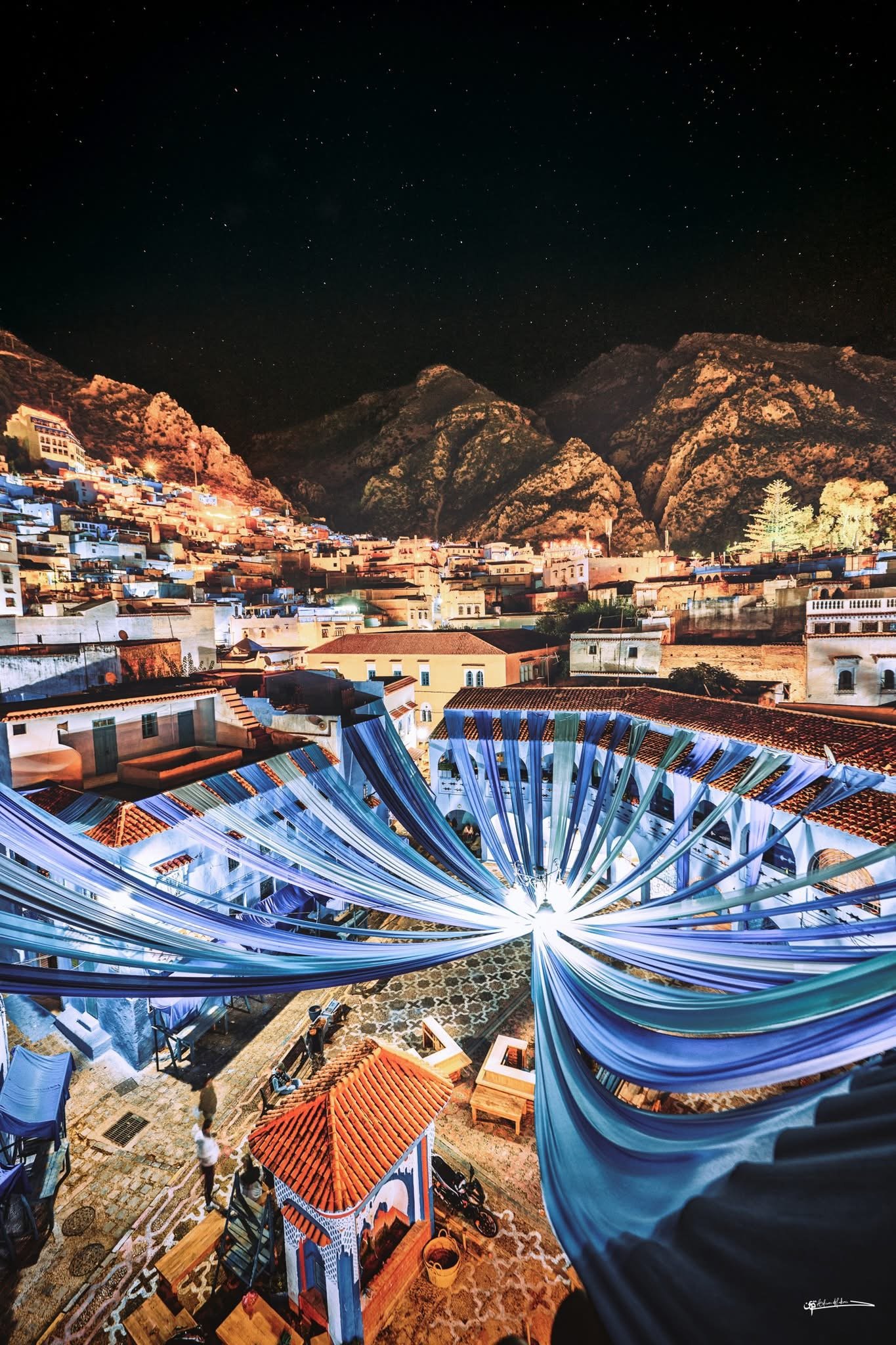
The Ritual of Moroccan Mint Tea in Chefchaouen
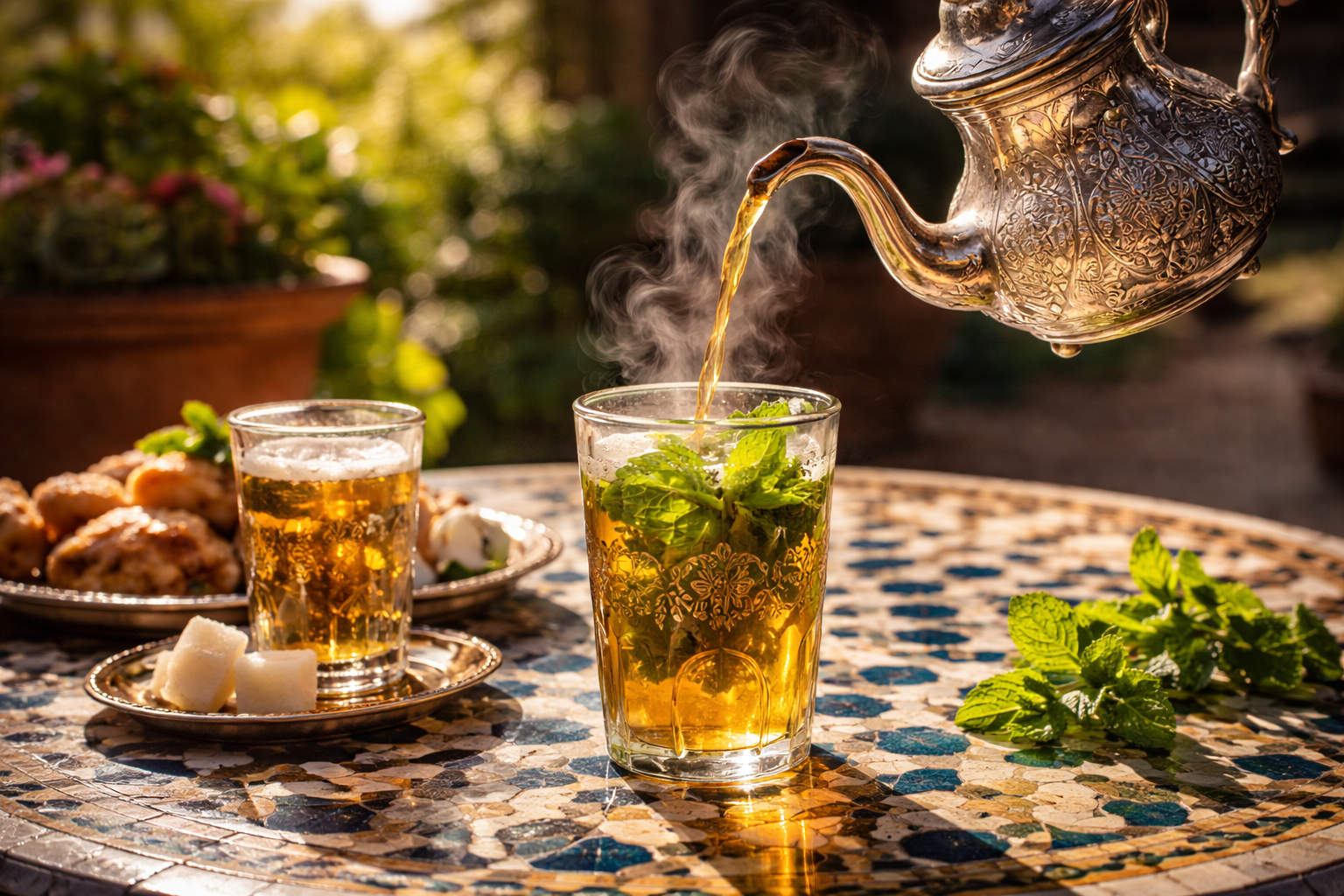
In Morocco, tea is far more than a simple hot beverage to accompany a meal; it is an incredibly profound cultural institution. Often affectionately referred to by locals as “Moroccan Whiskey,” a piping hot glass of heavily sweetened Moroccan mint tea is the absolute cornerstone of hospitality. Before you dive into exploring the labyrinthine blue streets of the medina or sit down to enjoy a slow-cooked tagine, you will inevitably be offered a glass. Understanding the ritual, the preparation, and the etiquette of Moroccan mint tea in Chefchaouen will deeply enhance your connection with the local culture.
The Anatomy of the Tea
Unlike standard tea bags steeped in boiling water, authentic Moroccan mint tea (known locally as Atay B’nana) is a concentrated, aggressively brewed concoction.
The foundation of the tea is actually imported Chinese gunpowder green tea. The tight, rolled green tea pellets provide a bitter, robust, and caffeinated base. To this base, massive handfuls of fresh, incredibly fragrant spearmint leaves are added. The final, and arguably most distinct, ingredient is the sugar. Moroccans utilize large, dense cones of sugar (often broken off with a heavy hammer) or massive sugar cubes. The result is a syrupy, aggressively sweet, and intensely minty drink.
The Art of the Pour
One of the first things you will notice when you order tea at any of the best restaurants in Chefchaouen is the precise, highly dramatic pouring technique. The tea is never simply tipped into a mug.
Using an ornate silver teapot, the server will begin pouring the tea from just above the rim of the glass and slowly lift the teapot high into the air, sometimes a full meter above the table. This is not simply for dramatic effect or theatrical tourism. The high pour serves two critical functions:
- Cooling: The hot liquid rapidly cools as it falls through the air, bringing it to a drinkable temperature faster.
- Aeration (The Crown): The impact of the liquid creates a heavy, frothy foam on the surface of the tea in the glass. This foam is considered the mark of a well-prepared pot, and locals measure the skill of the preparer by the thickness of this foamy “crown.”
When and Where to Drink It
The simple answer is: everywhere, and at all times. You will be offered tea when checking into your traditional Riad, when negotiating the price of leather goods in a carpet shop, following a massive morning bowl of Bissara soup, and long into the night while sitting in Plaza Uta el-Hammam.
The Winter Variation (Chiba)
Because Chefchaouen is situated high in the Rif Mountains, the winters here can become shockingly cold. During the deep winter months, fresh mint becomes scarce and provides a “cooling” sensation that is exactly the opposite of what locals desire. Instead of mint, the tea is infused with Chiba (wormwood/absinthe leaves). Chiba provides a profoundly bitter, medicinal, and warming sensation that cuts through the mountain chill brilliantly. If you visit in January, you must try it.
Tea Etiquette for Travelers
If you are invited to share tea with a local vendor or family, keep these cultural rules in mind:
- Always Accept: Refusing a glass of tea when offered by a host is considered highly impolite. Even if you only take a few sips, accept the glass graciously.
- Hold the Glass by the Rim: The traditional tea glasses do not have handles, and the liquid is poured at a bubbling boil. Always grip the very top rim of the glass with your thumb and index finger to avoid burning your hands.
- Sip, Don’t Gulp: The tea is meant to be savored slowly while engaging in conversation. Furthermore, drinking it too quickly can burn your mouth due to the intense temperature.
Conclusion
Taking part in the ritual of deeply sweet, frothy Moroccan mint tea in Chefchaouen is perhaps the most authentic way to slow down and truly absorb the atmosphere of the Blue City. Whether you are recovering from the long journey from Tangier to Chefchaouen or resting your legs after hiking, taking a moment to sip tea while looking over the blue rooftops is an experience you will cherish.